

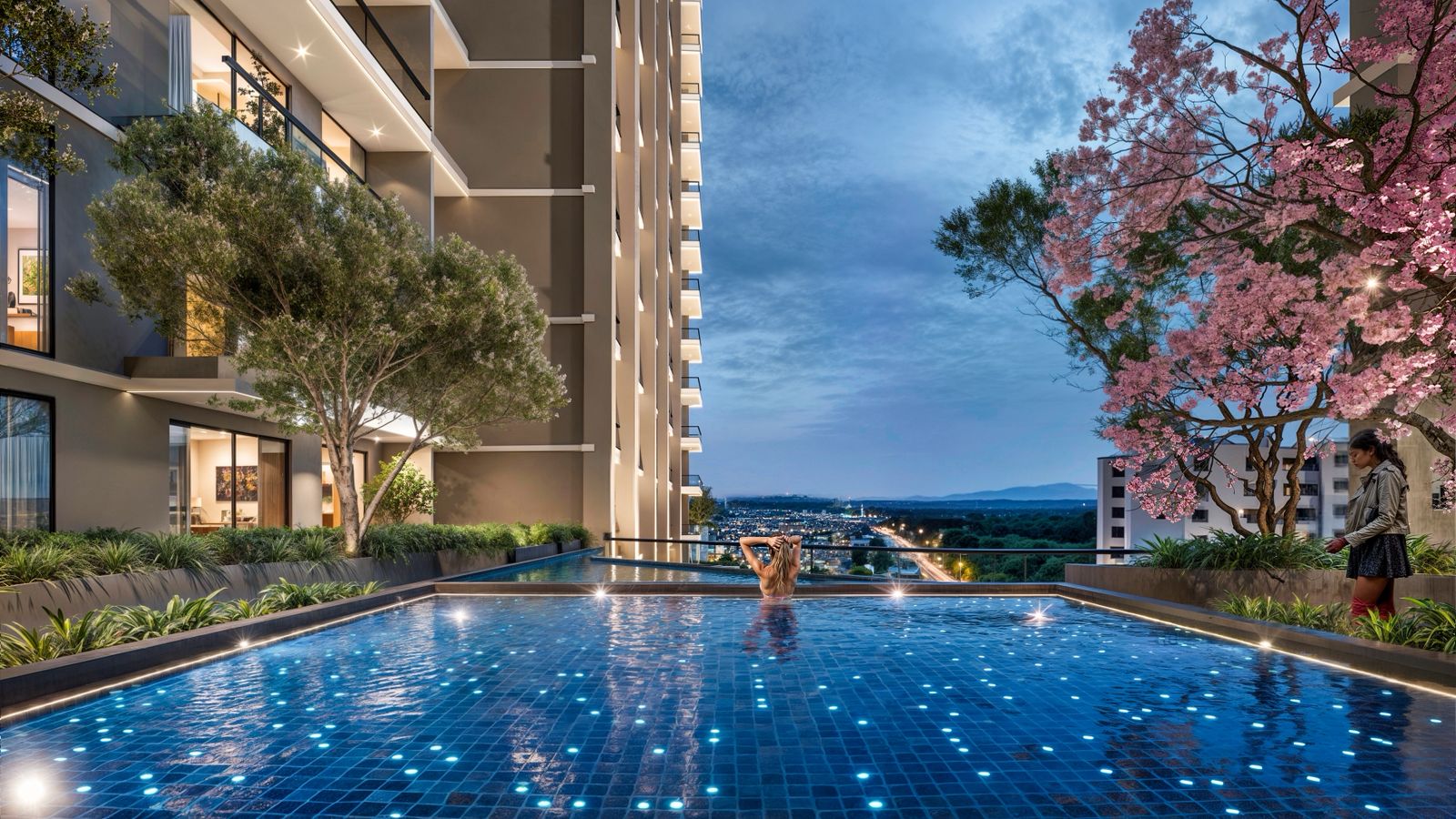
Nairobi’s Residential Property Market at a Glance
Nairobi, Kenya’s capital and economic powerhouse, continues to lead the national housing market in both activity and pricing. For buyers and investors seeking detached houses, standalone villas, and family homes, Nairobi offers a wide spectrum of prices that reflect location, size, amenities, and demand. According to the most recent aggregated property listings, the average house price in Nairobi is approximately KSh 105,220,000 based on current market data from property portals and active listings.
This figure represents the median price of houses currently marketed for sale — meaning half of active listings are priced above it and half below — and is updated regularly to reflect genuine offer prices across the city.
What Buyers Should Know: Key Price Benchmarks (2025)
Median House Prices
Nairobi Overall
Average price for houses listed in 2025: KSh 105,220,000.
This includes a wide range of house types, from modest family homes in emerging suburbs to luxury estates in premium neighbourhoods.
Price by Popular Suburbs
| Suburb | Average Price (KSh) | Description |
|---|---|---|
| Muthaiga | 350,750,000 | Nairobi’s most exclusive neighbourhood with large estates and private compounds. |
| Karen | 101,730,000 | Upscale suburb known for spacious homes and greenery. |
| Westlands | 96,770,000 | Mixed residential hub popular with professionals and families. |
| Spring Valley | 91,920,000 | Quiet residential enclave with large plots. |
| Kitisuru | 83,140,000 | Residential prestige with good access to key amenities. |
| Lavington | 69,230,000 | Established family neighbourhood close to schools and services. |
| Kileleshwa | 65,220,000 | Central suburb blending mid-luxury and accessibility. |
| Embakasi | 14,330,000 | More affordable houses, typically smaller and simpler. |
Note: These prices represent the median of active listings on property databases and thus reflect actual asking prices, not theoretical valuations or outdated market surveys.
What Drives House Prices in Nairobi
Location and Accessibility
Prime areas with established amenities — international schools, shopping centres, hospitals, and easy access to major highways — consistently command higher prices. For example, Muthaiga and Karen attract premium valuations due to large plots and proximity to high-end lifestyle facilities.
Scarcity and Demand
Detached houses have seen stronger price growth than other residential property types. Market data suggest that standalone houses are relatively scarce compared to apartments, which has supported price increases in suburbs where land is limited.
Economic Conditions and Financing
Interest rate levels, mortgage availability, and overall economic confidence influence buyers’ capacity to invest. In tighter credit conditions, demand and pricing momentum can moderate, particularly in mid-market segments.
How These Prices Compare Nationally
According to a comprehensive continental property report, Nairobi ranks as the most expensive county for houses in Kenya, with average prices significantly higher than in other counties like Nakuru or Kiambu.
Realistic Price Ranges for House Buyers
To give you perspective on what various budgets can access:
Below KSh 30M: Smaller houses or bungalows in emerging areas or closer-in suburbs with fewer facilities.
KSh 30M – KSh 80M: Comfortable family homes in mid-tier neighbourhoods such as Lavington and Kileleshwa.
KSh 80M – KSh 150M+: Larger homes and family estates in high-demand areas like Westlands, Karen, and Spring Valley.
Above KSh 150M: Luxury house estates and large luxury villas, especially in Muthaiga.
What This Means for Your Property Search
Understanding average house prices provides a clear benchmark for budgeting, negotiation, and investment decisions. Whether you are a first-time buyer, an investor seeking capital appreciation, or someone relocating to Nairobi, these figures help you identify realistic price expectations for each suburb and housing segment.
Conclusion
The Nairobi housing market in 2025 remains dynamic, with a median asking price around KSh 105M for houses and substantial variation across neighbourhoods. Prices are shaped by location desirability, supply scarcity, and broader economic factors. By exploring suburb-level data and current listings, buyers can make informed decisions that align with both lifestyle goals and financial strategy.

Join The Discussion