

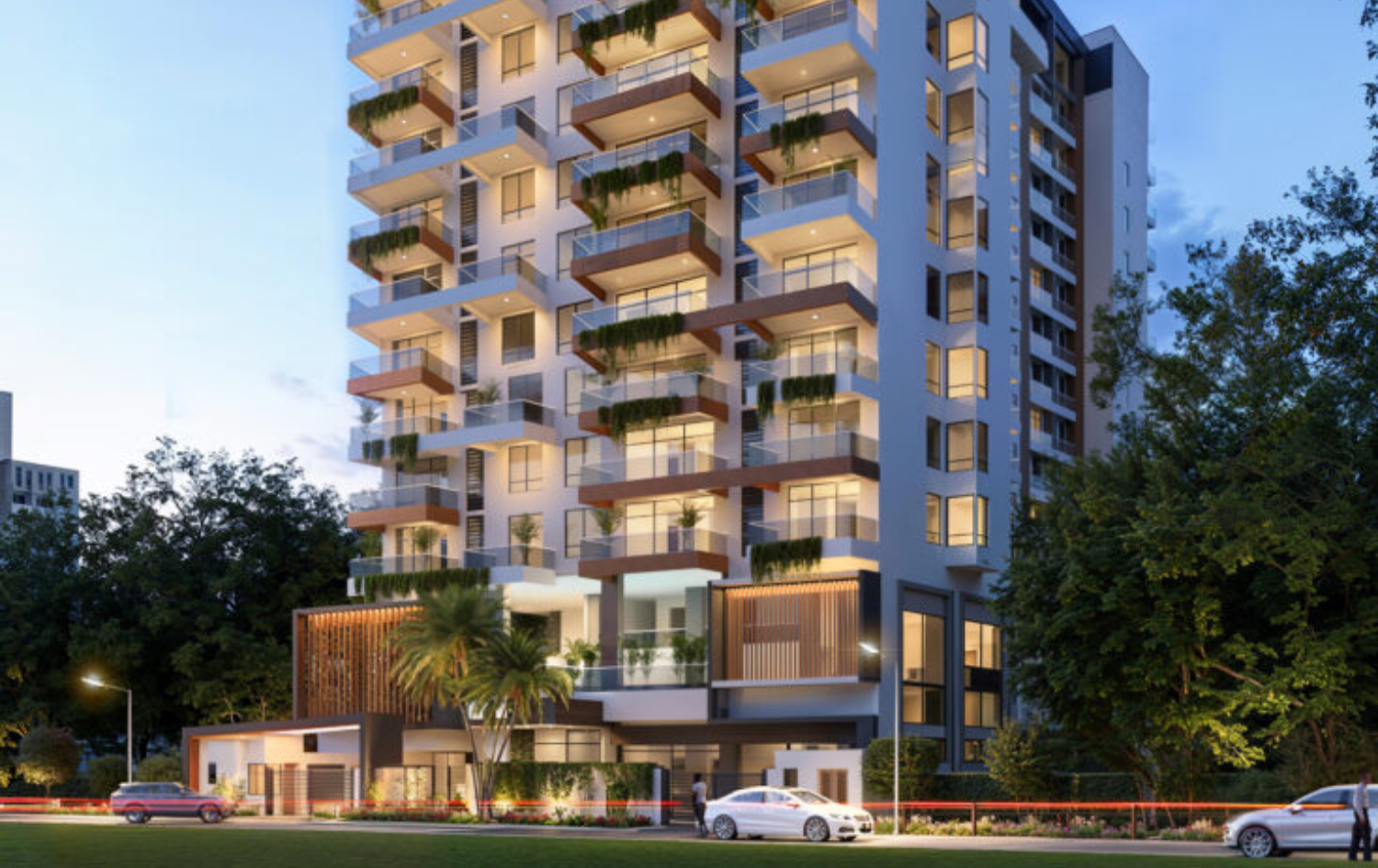
Imagine buying a slightly dated house in Nairobi’s vibrant suburbs, giving it a modern facelift, and selling it for a tidy profit—all within months. That’s the art of property flipping, and in Nairobi’s dynamic real estate market of 2025, it’s a golden opportunity for foreign investors with a nose for value. At The Realtors Platform, we’ve seen clients turn modest investments into six-figure gains in areas like Kilimani, Ngong Road, and Syokimau. Ready to dive into Nairobi’s flipping game? Here’s your step-by-step guide to making quick profits while navigating Kenya’s property scene.
Why Nairobi Is a Flipper’s Paradise
Nairobi’s real estate market is buzzing, with a projected sector growth of KSh 533 billion by the end of 2025. The city’s population, now over 5 million, fuels demand for modern homes, especially in up-and-coming neighborhoods. For foreign investors, Kenya’s streamlined property laws—offering secure 99-year leaseholds—make flipping a low-risk, high-reward venture. Add in annual property appreciation rates of 3-10% in key areas, and you’ve got a recipe for quick profits if you play it smart.
Take James, a Canadian investor we worked with last year. He bought a fixer-upper in Syokimau for KSh 8 million, invested KSh 2 million in renovations, and sold it for KSh 13.5 million in just six months. Stories like his aren’t rare in Nairobi, where demand outpaces supply in the right spots.
Step 1: Find Undervalued Properties in High-Potential Areas
The key to flipping is buying low, and Nairobi’s suburbs are full of hidden gems. Focus on areas with strong growth signals:
- Syokimau: Close to the airport and Expressway, two-bedroom homes here start at KSh 7.5 million, with appreciation around 6-8% annually. Look for older bungalows needing cosmetic upgrades.
- Ngong Road: A hotspot for young professionals, properties range from KSh 9 million, with rental demand driving resale value.
- Kilimani: High-density with yields up to 10.1%, fixer-uppers can be snagged for under KSh 10 million.
Check local listings or work with a trusted agency like ours to spot off-market deals—distressed sales or motivated sellers are your best bets. Pro tip: Look for homes near new infrastructure, like the planned light rail or road expansions, for a future value boost.
Step 2: Budget Smartly for Renovations
Flipping isn’t about gutting a house—it’s about strategic upgrades that maximize appeal. Nairobi buyers love modern kitchens, open-plan layouts, and energy-efficient features. Allocate 15-25% of your purchase price for renovations, focusing on:
- Cosmetic Fixes: Fresh paint, new flooring, and updated lighting can transform a space for as little as KSh 500,000.
- Kitchens and Bathrooms: These sell homes. Spend KSh 1-2 million on sleek countertops, modern tiles, and fixtures to wow buyers.
- Curb Appeal: A tidy garden or repaved driveway adds instant value, often under KSh 200,000.
Avoid over-improving—luxury finishes in a mid-range area won’t recoup costs. We helped a South African client renovate a Ngong Road townhouse, sticking to a KSh 1.5 million budget that boosted its sale price by 30%. Local contractors are affordable but vet them carefully to avoid delays.
Step 3: Time Your Market Entry
Timing is everything in Nairobi’s fast-moving market. The sweet spot for selling is during dry seasons (January-March, July-September), when buyers are active and properties show better. Aim to flip within 4-8 months to minimize holding costs like taxes or loan interest. Nairobi’s property taxes are reasonable, but factor in 4% stamp duty on purchase and capital gains tax on sale.
Stage the home to highlight its lifestyle appeal—think cozy furniture and neutral decor that screams “move-in ready.” Virtual tours, popular in 2025, can attract international buyers, too.
Step 4: Market and Sell for Maximum Profit
Price competitively based on local trends—check recent sales in your target area to avoid undercutting or overpricing. In Syokimau, for instance, flipped homes often sell 20-30% above purchase after smart upgrades. Highlight proximity to amenities like Gateway Mall or schools to draw families.
Partner with a realtor who knows Nairobi’s pulse. We recently listed a flipped Kilimani apartment that sold in three weeks, fetching KSh 14 million after a KSh 9 million buy-in. Online platforms and social media ads on X can amplify your reach, especially to expats and diaspora buyers.
Risks to Watch and How to Mitigate Them
Flipping isn’t without pitfalls. Nairobi’s market can be unpredictable, with occasional oversupply in high-rise zones. Protect yourself by:
- Researching Thoroughly: Verify titles to avoid land disputes, common in Kenya.
- Sticking to Budget: Over-renovating eats profits—cap costs at 25% of purchase price.
- Knowing Your Buyer: Families and young professionals dominate Nairobi’s market, so tailor upgrades to their tastes.
A German investor we advised avoided a dud deal in Embakasi by double-checking zoning laws, saving his KSh 10 million investment.
Your Path to Flipping Success Starts Here
Nairobi’s real estate offers a playground for flippers willing to do their homework. With the right property, smart renovations, and sharp timing, you could turn KSh 10 million into KSh 13 million or more in under a year. Ready to start your flipping journey? The Realtors Platform has the listings, local expertise, and network to make it happen. Drop us a line at [email protected] or visit our site to explore opportunities in Nairobi’s hottest neighborhoods. Your profit-making adventure awaits—let’s flip it!

Join The Discussion