

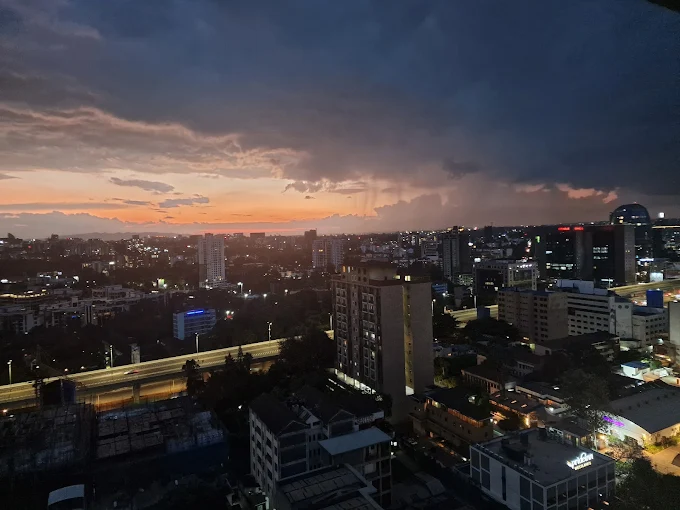
Kileleshwa and Westlands are two of Nairobi’s most sought after neighborhoods, yet they serve very different purposes within the city’s real estate ecosystem. Both areas command premium property prices, attract strong demand, and continue to evolve as Nairobi expands. However, the decision to buy or invest in either Kileleshwa or Westlands should be guided by a clear understanding of lifestyle expectations, rental market behavior, zoning patterns, and long term investment fundamentals.
This guide is designed to help real estate investors and home buyers make an informed, strategic decision based on practical realities rather than assumptions. While these neighborhoods sit relatively close to each other, their character, risk profile, and suitability differ significantly.
Location and Strategic Positioning
Kileleshwa is located southwest of Westlands and borders Kilimani, Lavington, and Riverside. It sits within Nairobi’s established residential belt and has historically been protected from aggressive commercial expansion. Its location offers convenient access to Westlands, Upper Hill, and the central business district without being directly immersed in commercial activity.
Westlands, on the other hand, is one of Nairobi’s most important commercial and lifestyle hubs. It lies northwest of the CBD and hosts multinational offices, embassies, shopping malls, hotels, and entertainment venues. Roads such as Waiyaki Way, Ring Road Westlands, Lower Kabete Road, and the Nairobi Expressway make Westlands one of the most accessible areas in the city.
From a purely strategic standpoint, Westlands benefits from superior connectivity and visibility. Kileleshwa benefits from proximity without exposure to congestion and over commercialization.
Neighborhood Identity and Daily Living Experience
Kileleshwa is primarily a residential neighborhood. Its streets are quieter, greener, and more uniform in character. While development has increased, especially in the form of apartment buildings, the area still feels residential in both design and rhythm. Noise levels are lower, foot traffic is limited, and daily life is structured around home, school, and community routines.
Westlands is dynamic, busy, and constantly active. It functions as a mixed use district where residential buildings coexist with offices, malls, restaurants, nightclubs, and hotels. The area rarely goes quiet, particularly in the evenings and weekends. This makes Westlands attractive to buyers who enjoy city energy but less suitable for those seeking peace and predictability.
For lifestyle driven buyers, the choice often comes down to whether they prefer residential calm or urban intensity.
Property Types and Development Patterns
Kileleshwa offers a mix of low rise and mid rise residential developments. Apartments are typically designed for owner occupation, with larger floor plans, fewer units per block, and emphasis on privacy. Many developments include three and four bedroom apartments, duplexes, and penthouses. Standalone houses and older garden apartments still exist in select pockets.
Zoning regulations and community pressure have historically slowed excessive densification in Kileleshwa. This has preserved its residential identity and protected long term value.
Westlands features a much broader range of property types. High rise apartments, serviced residences, mixed use towers, office buildings, and hotels dominate the skyline. Residential developments in Westlands often prioritize efficiency and amenities over space. Smaller unit sizes such as studios and one bedroom apartments are common due to strong rental demand.
From a development perspective, Westlands is more aggressive and commercially driven. Kileleshwa is more controlled and residentially focused.
Property Prices and Value Proposition
Property prices in Westlands are generally higher on a per square foot basis compared to Kileleshwa. This is driven by land scarcity, commercial zoning potential, and strong demand from investors and developers. Premium apartments in Westlands command top tier pricing, particularly those near shopping malls and business centers.
Kileleshwa offers relatively better value for buyers seeking space and livability. While prices remain within the upper market segment, buyers often get larger units, quieter surroundings, and a more residential environment for comparable budgets.
For investors, Westlands requires higher entry capital but offers faster liquidity. Kileleshwa offers more measured appreciation with lower volatility.
Rental Market and Tenant Demand
Westlands has one of the strongest rental markets in Nairobi. Demand is driven by expatriates, corporate tenants, short stay residents, and professionals working within the area. Serviced apartments and furnished units perform exceptionally well. Vacancy rates are low for well located properties, and rental prices remain resilient even during market slowdowns.
Rental yields in Westlands are among the highest in Nairobi, particularly for small and mid sized units.
Kileleshwa attracts a different tenant demographic. Families, senior professionals, and long term residents dominate the rental market. Tenants tend to stay longer, reducing turnover and vacancy risk. While rental yields may be slightly lower than Westlands, income stability is often stronger.
Investors seeking high yield and active turnover gravitate toward Westlands. Investors seeking consistency and tenant quality often prefer Kileleshwa.
Lifestyle Amenities and Social Infrastructure
Westlands offers unmatched access to amenities. Major shopping malls, international restaurants, nightlife venues, gyms, hospitals, and offices are all within close proximity. Residents can live, work, and socialize within the same neighborhood. This convenience is a major driver of demand.
Kileleshwa offers essential amenities without excessive congestion. Residents access malls such as Valley Arcade, neighborhood supermarkets, cafes, schools, and medical facilities. Social life is more subdued and centered around community and family activities.
Lifestyle preference plays a significant role here. Westlands appeals to those who want everything at their doorstep. Kileleshwa appeals to those who prefer separation between home and commercial activity.
Traffic, Noise, and Environmental Factors
Traffic congestion is a defining challenge in Westlands. Despite excellent road infrastructure, high vehicle volumes and ongoing development often lead to peak hour delays. Noise levels are higher due to nightlife, construction, and constant activity.
Kileleshwa experiences significantly less congestion internally. While access roads can be busy during peak hours, residential streets remain calm. Noise pollution is lower, and green spaces contribute to better air quality.
For owner occupiers, especially families, environmental comfort often tilts the decision toward Kileleshwa.
Security and Community Structure
Both neighborhoods benefit from private security arrangements, gated developments, and neighborhood patrols. Westlands requires higher security awareness due to heavy foot traffic and commercial activity. Modern residential buildings compensate with controlled access, surveillance, and concierge services.
Kileleshwa’s lower density and residential layout contribute to a stronger sense of community. Controlled access estates and long term residents enhance neighborhood security.
Buyers prioritizing privacy and exclusivity often find Kileleshwa more appealing.
Long Term Investment Outlook
Westlands is likely to continue appreciating due to its role as a commercial and lifestyle hub. Demand for residential units will remain strong, especially from expatriates and corporate tenants. However, high development intensity means investors must be selective to avoid oversupply risk.
Kileleshwa’s long term outlook is anchored in its residential identity. Land scarcity, zoning resistance, and family oriented demand support steady appreciation. While growth may be slower than Westlands, it is often more predictable.
Investors with shorter investment horizons and yield focused strategies often choose Westlands. Investors with longer horizons and capital preservation goals often prefer Kileleshwa.
Who Should Buy in Kileleshwa
Kileleshwa is ideal for families, owner occupiers, and buyers seeking long-term residential stability. It suits investors who value low tenant turnover, predictable income, and a calm living environment. Buyers who prioritize space, greenery, and community will find Kileleshwa a strong choice.
Who Should Buy in Westlands
Westlands is best suited for investors targeting high rental yields, expatriate tenants, and short-stay accommodation. It also appeals to professionals who want to live close to work and enjoy an active urban lifestyle. Buyers comfortable with density, noise, and constant activity will benefit most from Westlands.
Final Assessment
Kileleshwa and Westlands represent two different investment philosophies within Nairobi’s prime real estate market. One prioritizes residential comfort and long-term stability. The other emphasizes convenience, yield, and urban energy.
There is no universally better option. The correct choice depends on your budget, risk tolerance, lifestyle needs, and investment horizon. A carefully selected property in either neighborhood can deliver strong returns and long-term value when aligned with the right strategy.

Join The Discussion