

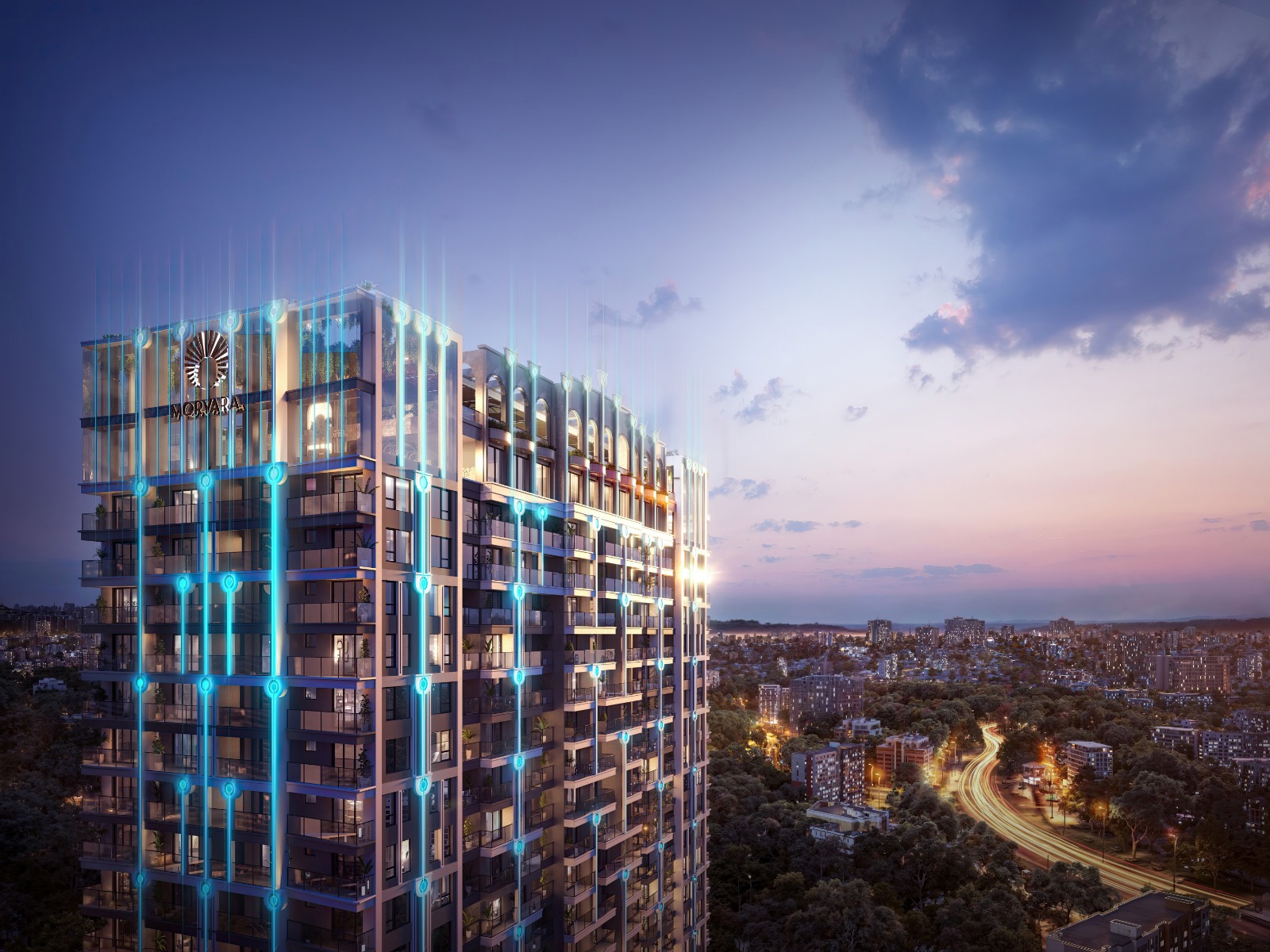
The Nairobi apartment market has developed a distinct luxury segment over the past decade, and developers have become very good at marketing it. Rooftop infinity pools, concierge services, imported stone finishes, smart home systems, and sky lounges that appear in CGI renders before a single foundation has been dug — the vocabulary of luxury residential development has become fluent and seductive, and the prices attached to these developments reflect the premium that buyers have historically been willing to pay for the perception of exclusivity.
But here is the question that the marketing materials are not designed to answer: does the luxury premium actually deliver proportionate returns, proportionate quality of life, and proportionate investment performance compared to what well-specified standard apartments in the same neighbourhoods offer? Because if the answer is no — and for many buyers and investors in Nairobi’s current market, it is at least partially no — then the decision to pay a luxury premium is not a property decision. It is a lifestyle statement that happens to be denominated in real estate.
This article examines the luxury versus standard apartment question honestly and completely, drawing on market data, valuation evidence, and the practical experience of buyers and investors who have owned in both segments. It builds on the investment quality framework in our guide on what makes a property a good investment, the amenity value analysis in our article on amenities that increase property value in Nairobi, and connects to our cluster anchor at how to buy an apartment in Nairobi step by step and our complete guide to buying property in Kenya.
Defining the Terms: What Luxury and Standard Actually Mean in Nairobi
Before any useful comparison can be made, the terms need definition, because “luxury” in Nairobi’s property marketing is applied with extraordinary generosity to developments that would not meet that standard in any rigorous assessment.
In the context of this guide, a luxury apartment is one that genuinely delivers a premium specification across every material dimension — structural engineering quality, mechanical and electrical systems, internal finishes, building management, amenity provision, and security infrastructure — and that is priced to reflect those genuine quality differentials. In Nairobi’s market, this typically means apartments priced above Ksh 20 million for a 2-bedroom unit and above Ksh 30 million for a 3-bedroom unit in prime locations, in developments by established developers with demonstrated track records of delivery.
A standard apartment — and the word standard is used here in its positive sense, meaning well-specified, competently constructed, and professionally managed, not mediocre — is one that meets the functional requirements of Nairobi’s established residential market without the premium finishes, premium amenities, or premium price that characterises the luxury segment. In current market terms, this is the Ksh 8 million to Ksh 16 million range for 2-bedroom units in prime and near-prime Nairobi neighbourhoods.
The middle ground — developments marketed as luxury that deliver a mid-range specification at a luxury price — is the most dangerous category in Nairobi’s apartment market. Identifying whether a development genuinely belongs in the luxury segment or is merely priced there requires the kind of physical inspection and independent valuation process described in our guides on what to look for when viewing an apartment before buying and how to evaluate property value before purchasing.
The Investment Case: What the Numbers Actually Show
Rental Yield: Standard Wins on Paper, Luxury Wins on Quality
The yield comparison between luxury and standard apartments in Nairobi consistently favours standard stock on a gross yield basis. This is a mathematical inevitability — luxury apartments carry higher purchase prices that, while they attract higher absolute rental incomes, do not attract proportionately higher rents relative to the price premium.
According to Cytonn Real Estate’s Kenya Residential Property Report, gross rental yields for standard well-specified apartments in Nairobi’s prime inner suburbs — Kilimani, Kileleshwa, Parklands — currently range from 6% to 8%. Luxury apartments in the same general areas achieve gross yields of 4.5% to 6%, reflecting purchase prices that outpace the rental premium the market will bear.
To put this in concrete terms: a standard 2-bedroom apartment purchased at Ksh 11 million in Kileleshwa generating Ksh 65,000 per month in rent produces a gross yield of 7.1%. A luxury 2-bedroom in the same neighbourhood at Ksh 22 million generating Ksh 100,000 per month produces a gross yield of 5.5%. The luxury apartment generates more absolute income, but a lower percentage return on the capital invested.
However, the gross yield comparison understates the luxury apartment’s net yield advantage in one important respect: tenant quality and retention. According to property management data from managers operating across Nairobi’s residential market, luxury apartments attract tenants with higher income stability, longer average tenancy periods, and lower rates of rent default. A luxury apartment with an average tenancy of three years and negligible void periods produces a better effective net yield than a standard apartment with an average tenancy of eighteen months and meaningful void periods between tenancies, even if the standard apartment’s gross yield is higher.
The honest position is that net yield for well-managed luxury apartments with high-quality, stable tenants can approach the net yield of standard apartments despite the gross yield gap, but this requires strong building management and consistent tenant quality that is not automatic.
Capital Appreciation: The Luxury Premium Debate
This is where the luxury versus standard debate becomes most contested among Nairobi’s experienced property investors. The core question is whether luxury apartments appreciate faster in absolute terms, appreciate at the same rate, or actually appreciate more slowly than standard apartments over medium to long holding periods.
The evidence from HassConsult’s Nairobi Residential Property Price Index is nuanced. At the top of the luxury spectrum — genuinely premium developments in Westlands and the best parts of Kilimani, delivered by established developers, with verifiable quality credentials — there is evidence of sustained above-market capital appreciation over ten-year holding periods. The scarcity of genuine luxury supply relative to demand from the diplomatic and corporate community sustains price premiums that compound over time.
At the aspirational end of the luxury category — developments marketed as luxury but delivering mid-range specification at luxury prices — the long-run capital appreciation record is weaker. When the gap between the marketed proposition and the delivered reality becomes apparent in the secondary market, the premium compresses. According to Knight Frank Kenya’s Nairobi prime residential research, the price gap between genuine luxury developments and aspirationally priced mid-range developments that claim luxury positioning tends to widen over time as the market matures and buyers become more discerning, with genuine luxury properties sustaining their premiums and aspirational ones trading back toward mid-range values.
The capital appreciation case for standard apartments, meanwhile, is straightforwardly solid. Well-specified standard apartments in supply-constrained locations have consistently delivered capital appreciation in line with Nairobi’s residential market average, which has been positive in real terms over every five-year period in the HassConsult dataset. There is less excitement in the narrative, but there is also less risk of paying for a premium that the secondary market subsequently refuses to honour.
The Quality Question: What the Luxury Premium Actually Buys
Buyers who pay a luxury premium have a right to know precisely what they are getting for it. The honest answer is that genuine luxury does deliver real and durable advantages in certain dimensions — and that it does not in others.
Where Genuine Luxury Adds Real Value
Structural and engineering quality in Kenya’s most carefully executed luxury developments is materially higher than in standard developments. International developers and developers who commission internationally certified structural engineering reviews produce buildings with concrete that achieves its specified compressive strength, reinforcement steel that is correctly detailed and placed, and waterproofing systems that are properly designed and executed. According to the Institution of Structural Engineers Kenya Chapter, the correlation between development budget and structural quality is strong at the extremes of the market, with the highest-budget developments consistently outperforming the lowest on structural compliance metrics.
Internal specification quality in true luxury developments — imported tile finishes, premium sanitary ware from manufacturers such as Duravit or Roca, fully fitted German-brand kitchen systems, commercial-grade building management systems — delivers a product that genuinely differs from mid-range specification and that requires less replacement and refurbishment over a ten-year ownership period. The lower ongoing maintenance liability of premium finishes is a real cost saving that the gross yield comparison does not capture.
Building management quality in the best luxury developments is unambiguously superior. Developments managed by internationally affiliated management companies or by the most professional local operators — including some properties managed under international hotel or serviced residence brands — deliver maintenance response times, financial transparency, and common area standards that standard developments rarely match. This management quality protects capital value, retains tenants, and creates an ownership experience that justifies a meaningful premium for buyers who value it.
Where the Luxury Premium Does Not Deliver Proportionate Value
Amenity provision in luxury developments is the area where the premium most frequently fails to deliver proportionate value in Nairobi’s market. Rooftop pools, sky lounges, concierge desks, and co-working spaces are appealing at the point of purchase but carry ongoing maintenance costs that the service charge must cover, are used by a minority of residents consistently, and do not generate proportionate rental premiums relative to buildings with more functional amenity provision.
According to valuation benchmarks used by Kenya Valuers and Estate Agents Registration Board-registered valuers in Nairobi, the capital value premium attributable to amenities such as rooftop pools and sky lounges is typically 3% to 5% above comparable non-amenity buildings — a fraction of the development cost these features add to the purchase price. The developer captures the construction cost premium at point of sale. The buyer captures a modest resale premium. The maintenance cost is ongoing.
Smart home technology is another area where Nairobi’s luxury developments invest heavily in marketing but where the market has not yet fully validated the premium. According to the Kenya Green Building Society’s annual review, smart home penetration in Nairobi’s residential market remains low enough that the majority of buyers and tenants do not yet rank it among their primary purchase or rental criteria. Premium smart home systems add to the purchase price without generating reliably proportionate rental or resale premiums in the current market.
Service Charge: The Hidden Cost of Luxury
The service charge is where the luxury versus standard comparison most dramatically shifts against luxury for investment buyers who scrutinise their total ownership cost rather than just the headline yield.
Luxury apartments in Nairobi carry service charges that reflect their higher specification, more extensive amenity provision, and professional management structure. According to property management company data, monthly service charges in genuine luxury developments in Westlands and Kilimani range from Ksh 25,000 to Ksh 60,000 per unit. For a standard well-managed development in the same area, the equivalent range is Ksh 8,000 to Ksh 20,000.
For an investment buyer, the net yield impact of this service charge differential is material. A luxury apartment generating Ksh 100,000 per month in rent with a Ksh 40,000 service charge produces a net rental income of Ksh 60,000 per month before management fees. A standard apartment generating Ksh 65,000 per month with a Ksh 12,000 service charge produces a net rental income of Ksh 53,000 per month before management fees. The net yield gap between these two scenarios is considerably narrower than the gross yield gap, but the service charge burden has consumed a substantial portion of the luxury apartment’s rent advantage.
This service charge reality is one of the most important factors that experienced Nairobi property investors consistently raise when evaluating luxury versus standard. The gross rental income looks more impressive for luxury. The net rental income after service charges is often less impressive than expected.
Tenant Market: Who Rents Luxury in Nairobi
The tenant market for genuine luxury apartments in Nairobi is narrower and more specific than the tenant market for well-specified standard apartments. Understanding this matters for investment buyers, because a narrower tenant pool means a longer search period when the apartment is vacant and less flexibility to adjust rental pricing if the primary tenant demographic experiences demand contraction.
Genuine luxury apartments in Westlands and the best parts of Kilimani are primarily rented by senior corporate executives, senior diplomatic personnel and their families, international NGO leadership, and wealthy Kenyan professionals who specifically require the space, specification, and amenity level that luxury developments offer. According to Knight Frank Kenya’s residential letting data, this demographic is consistent in its requirements and willing to pay premium rents, but it is not a large demographic, and it is served by relatively few buildings that genuinely meet its expectations.
Well-specified standard apartments draw from a much larger and more diverse tenant pool — junior and mid-level corporate employees, NGO professionals, teachers at international schools, young established professionals, and a growing segment of remote workers who require good connectivity and a functional living environment without a luxury price. This broader pool means shorter vacancy periods, more competitive letting dynamics, and greater flexibility for investment owners to adjust pricing and attract tenants through market cycles.
The practical implication for investment buyers is that the narrower luxury tenant pool creates a concentration risk — if the sector that supplies your primary tenant cohort experiences a downturn, the impact on vacancy rates in the luxury segment is more pronounced than in the broader standard market.
Making the Decision: A Framework for Different Buyers
The luxury versus standard question resolves differently depending on what you are buying for.
For owner-occupiers whose primary objective is quality of daily life and for whom the investment return is secondary, genuine luxury in the right location with the right management delivers a living experience that well-specified standard apartments do not fully replicate. The larger floor areas, the finishes quality, the building management responsiveness, and the environment of a well-run luxury development are real and durable lifestyle advantages that justify a premium for buyers who will experience them daily.
For investment buyers whose primary objective is total return on capital, the standard apartment case is generally stronger. Better gross yield, a broader and more liquid tenant market, lower service charge burden, and solid capital appreciation in supply-constrained locations combine to produce risk-adjusted returns that the luxury segment, for most buyers at most price points, does not consistently beat.
For diaspora and international buyers who want a property that serves both as a home when they are in Nairobi and as a rental investment when they are not, a genuine luxury apartment in a professionally managed development in Westlands offers the best of both objectives — provided the building truly delivers on its luxury positioning rather than simply marketing it.
Our listings for executive apartments for sale in Nairobi cover the upper end of Nairobi’s apartment market across both genuine luxury and premium standard developments, and our listings for 2-bedroom apartments for sale in Nairobi and investment property for sale in Kenya give you the broader market context for comparison.
Due Diligence: More Important in Luxury Than Anywhere Else
The due diligence stakes are higher for luxury apartment purchases than for standard ones, for the simple reason that the amounts involved are larger and the marketing is more seductive. A buyer who pays Ksh 25 million for an apartment that does not deliver genuine luxury quality has made a more expensive mistake than a buyer who pays Ksh 10 million for a standard apartment that underperforms.
Every luxury purchase must be supported by an independent physical inspection from a building surveyor registered with the Institution of Surveyors of Kenya, an independent valuation from a KVEAB-registered valuer confirming the asking price is supported by comparable market evidence, and a full title search and legal due diligence process managed by a qualified property advocate.
The full checklist for this process is covered in our due diligence checklist before buying property in Kenya. The specific construction defect indicators to look for in any Nairobi apartment — luxury or standard — are covered in our guide on signs of poor construction in apartments.
Conclusion
Genuine luxury apartments in Nairobi deliver real advantages in structural quality, specification, management, and lifestyle experience that justify a meaningful premium for the buyers they are right for. Those buyers are owner-occupiers who prioritise daily living quality, diaspora buyers who need premium rental income combined with premium personal use, and investors with long horizons who are targeting the specific tenant demographic that genuine luxury commands.
For the majority of Nairobi apartment buyers — particularly those prioritising investment returns over lifestyle premium — well-specified standard apartments in strong locations deliver better risk-adjusted returns through better yields, broader tenant pools, lower service charge burdens, and solid capital appreciation that does not depend on the secondary market sustaining a luxury premium.
The most important insight this comparison produces is not that luxury is bad or that standard is better. It is that the word luxury requires interrogation before it can be trusted. In Nairobi’s apartment market, genuine luxury earns its premium. Marketed luxury that does not deliver it does not — and the difference between the two is visible to any buyer who inspects carefully, values independently, and buys on evidence rather than on the strength of a CGI render.

Join The Discussion