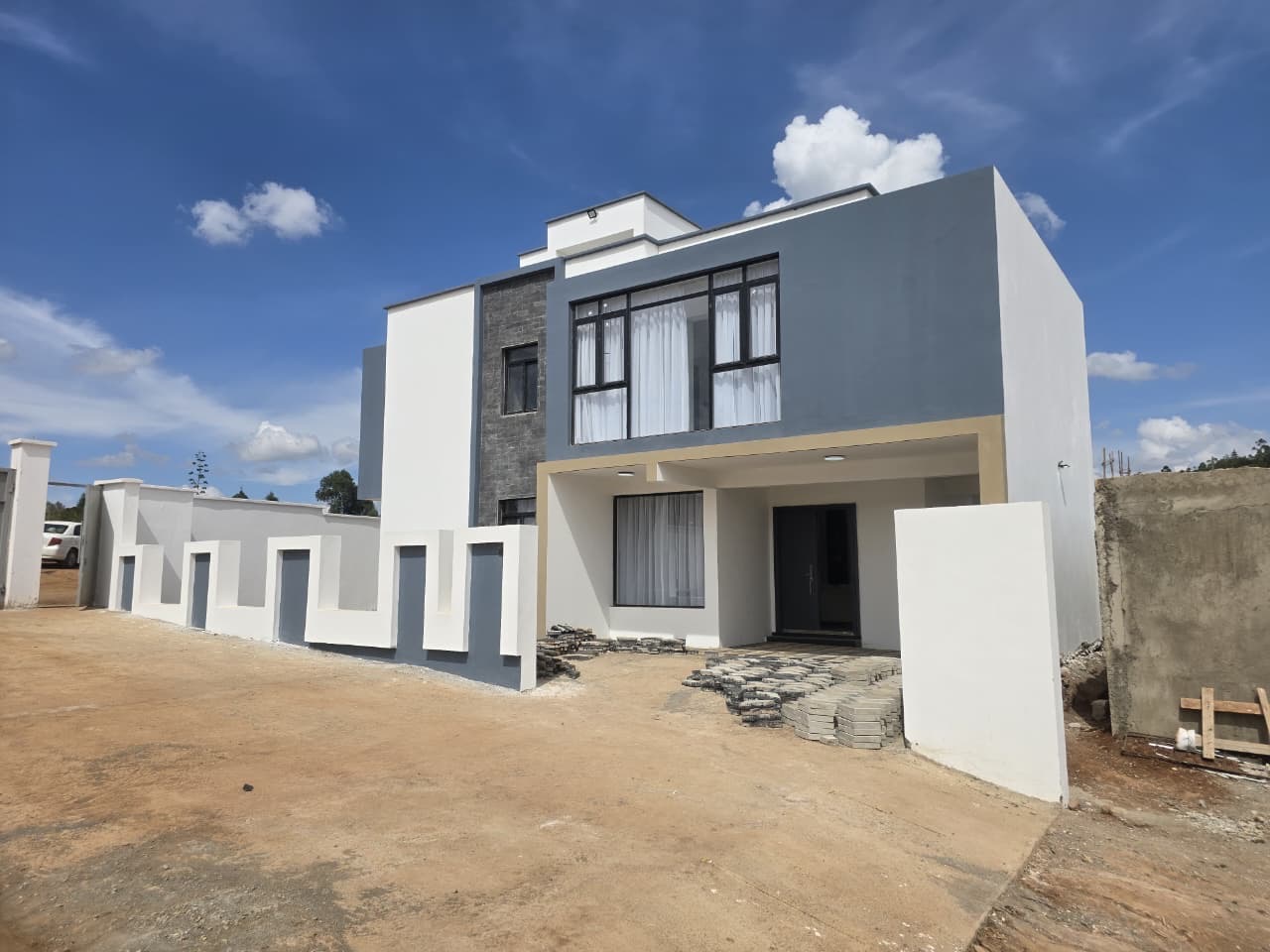


Most serious property buyers in Kenya view between three and ten properties before making a purchase decision. The problem is that most of them do it without a system. They visit properties in sequence, form impressions, and by the time they reach the fifth viewing, they are comparing a vague memory of the first against what they are currently standing in. Details blur. Prices merge. Advantages and...
Kenya's apartment construction sector has expanded rapidly over the past two decades, particularly in Nairobi's middle and upper-income neighbourhoods. With that expansion has come significant variation in construction quality. At one end of the spectrum are well-engineered, properly supervised developments that deliver durable, well-finished units. At the other end are projects where cost-cutting at every...
When buyers start searching for apartments in Nairobi, they quickly encounter two very different markets operating side by side. On one side are brand new developments, many of them off-plan, with polished show units, developer payment plans, and the appeal of being the first person to occupy a space. On the other side are older apartments resold by existing owners, often in established buildings in mature...
One of the most common and costly mistakes property buyers make in Kenya is paying more for a property than it is actually worth. It happens regularly, not because buyers are careless, but because most buyers do not have a systematic method for independently assessing value before they negotiate or sign. They rely on the asking price set by the seller or developer, on the agent's assurances that the price...
An apartment viewing is not a casual tour. It is one of the most important evaluation moments in the entire property buying process, and most buyers waste it. They walk through the rooms, admire the finishes, check the view, and leave with a feeling rather than a verdict. Feelings are not a reliable basis for committing millions of shillings. A disciplined apartment viewing is a structured inspection...
Buying property in Kenya is supposed to be the beginning of financial security. For some buyers, it becomes the beginning of a legal nightmare that consumes years, drains resources, and ends without certainty. The common thread in most of these situations is the same: somewhere in the transaction, a dispute existed that the buyer either did not know about, chose to ignore, or was deliberately not told...
When buyers sit down to calculate the total cost of purchasing property in Kenya, stamp duty is one of the figures that consistently catches people off guard. Not because it is hidden — it is a well-established government tax — but because its size relative to the purchase price is significant enough to materially affect affordability calculations, and because many buyers simply do not account for it...
The moment you pay the final balance on a property purchase in Kenya, you expect to become the legal owner. But in Kenya, payment alone does not make you the owner. Legal ownership only passes when your name is registered on the title at the Lands Registry. Until that registration is complete, the seller remains the legal proprietor of the property in the eyes of the law, regardless of how much money you...
Every year in Kenya, buyers lose millions of shillings to property transactions that unravel because they did not verify the title before paying. Some lose their deposits. Others pay the full purchase price only to discover the seller had no legal right to sell. A few end up in court battles that drag on for years, fighting to recover money paid for land they will never legally own. These are not...
One of the first questions any property buyer in Kenya should ask about a property they are considering is a simple one: is this freehold or leasehold? The answer shapes everything that follows, from how secure your ownership is, to how much you pay annually to hold the land, to whether a bank will finance your purchase, to what happens when you eventually want to sell. Yet a surprisingly large number...