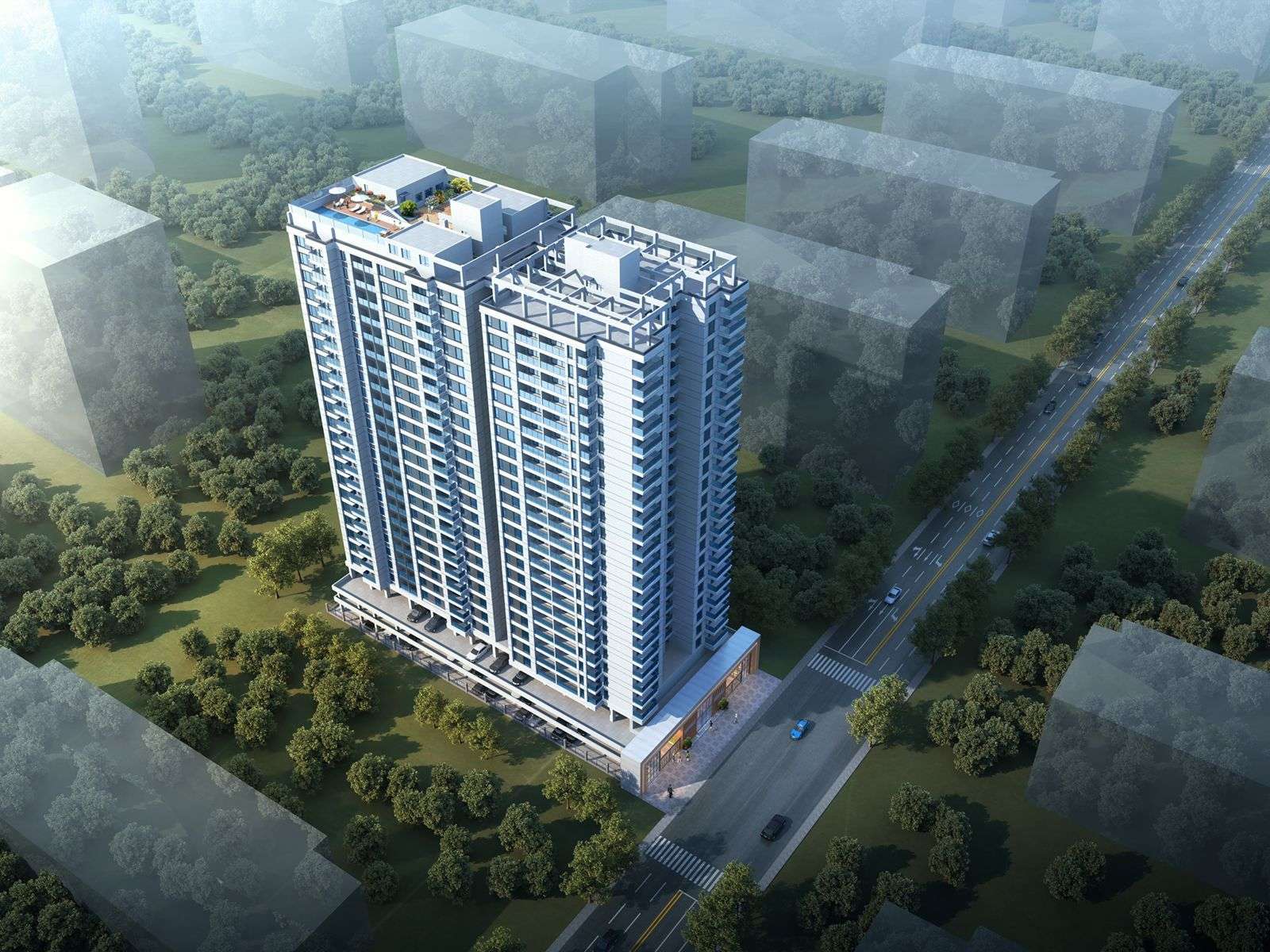


Westlands sits at the top of Nairobi's residential property hierarchy for a reason that is not primarily about prestige or status, even though both are present. It sits there because the combination of factors that determine long-term property value — employment proximity, infrastructure quality, international community presence, retail and amenity concentration, security, and sustained demand — come...
Kilimani gets more attention from Nairobi apartment buyers than any other neighbourhood in the city. That attention is well-earned in some respects — it is genuinely one of Nairobi's best-connected, most amenity-rich, and most liquid residential markets. But it is also a neighbourhood that has been significantly oversold by agents and developers who benefit from its commercial momentum, and some of the...
Location is where most Nairobi apartment purchases are won or lost. Get the neighbourhood right and you have the most important variable locked in — everything else, from specification to price, is negotiable or improvable. Get it wrong and you are spending the next decade managing the consequences of a decision that seemed reasonable at the time but that the market consistently fails to reward. The...
Ask ten people what apartments cost in Nairobi and you will get ten different answers. The agent will tell you what they need you to believe. The developer will tell you what justifies their asking price. The friend who bought three years ago will quote a figure that the market has long since moved past. None of these is particularly useful when you are the one who needs to commit real money to a real...
Buying an apartment in Nairobi is one of the most rewarding financial decisions a buyer can make in Kenya's property market. Nairobi's residential apartment sector has delivered consistent capital appreciation and strong rental yields over the past two decades, driven by sustained population growth, expanding middle-class demand, and a well-established base of international and diaspora buyers. But the...
A property viewing is not just an opportunity to admire what a property has to offer. It is also, and perhaps more importantly, an opportunity to detect what is wrong with it. The buyers who consistently make good property decisions in Kenya are not necessarily the ones who find the best properties — they are the ones who walk away from the wrong ones before committing money they cannot easily...
Utilities are the systems that make a home functional. Water that flows when you turn on a tap, power that works when you flip a switch, drainage that clears when you flush a toilet — these are the basic operational requirements of any residential property, and their condition is often the last thing buyers think to check before committing to a purchase. That oversight is expensive. A property that...
When two apartments in the same Nairobi neighbourhood are priced differently despite having the same number of bedrooms and a similar floor area, the explanation almost always comes down to amenities. The term covers a wide spectrum — from the swimming pool on the roof deck to the proximity of the nearest international school, from the generator in the basement to the speed of the fibre connection in...
Buying property in Kenya is widely regarded as a safe and rewarding investment. That general reputation is not wrong, but it is dangerously incomplete. Kenya's property market contains investments that have delivered exceptional returns over ten and twenty-year holding periods, and it contains properties that have delivered poor returns, chronic headaches, and in some cases significant financial losses....
There is a principle in real estate that has survived every market cycle, every economic shift, and every change in buyer preference: location is the single most powerful determinant of property value. In Kenya's residential market, this principle is not merely a saying — it is a measurable, documented reality that shapes price differences of 50%, 100%, and in some cases 300% between properties of...