

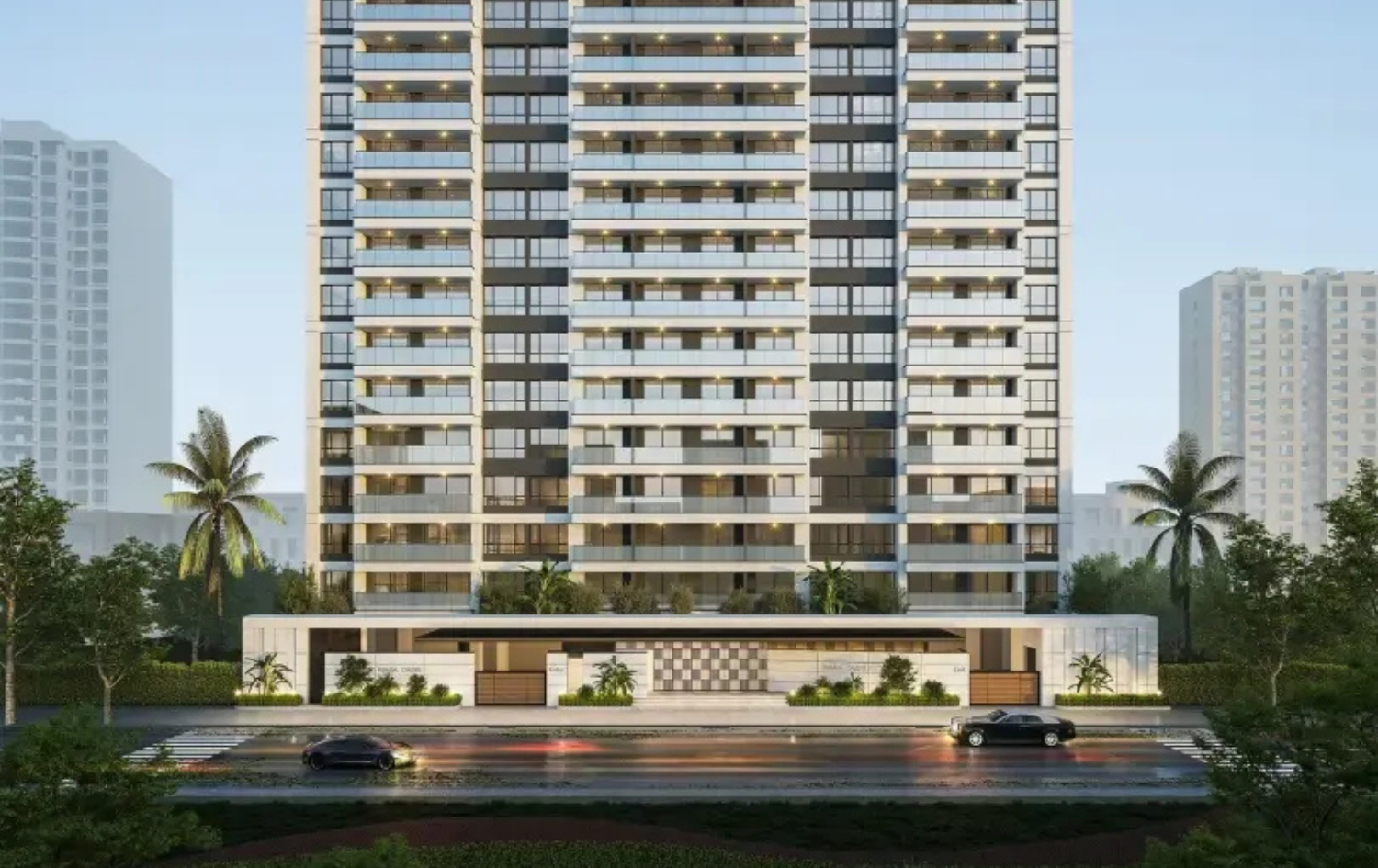
Lavington is the neighbourhood that Nairobi’s most settled professional class chooses when it has stopped proving something. The young professional who needs a Kilimani address to signal arrival, the expat on a first posting who wants the energy of Westlands close at hand, the investor chasing short-let yield in a dense apartment corridor: none of these people are the Lavington resident. The Lavington resident has been in Nairobi long enough to know what they actually want from a residential address, and what they want is space, quiet, established trees, functional amenities within reasonable reach, and a neighbourhood that feels like a place where people have chosen to build lives rather than a place where people pass through on their way to somewhere else.
That character is not accidental. Lavington’s low-density zoning, its wide tree-lined roads, its predominantly owner-occupier residential base, and its physical position between the commercial energy of Kilimani and the Ngong Road corridor have produced a neighbourhood that has managed to remain genuinely residential despite the development pressure that has transformed its immediate neighbours over the last two decades. Apartment towers have risen in Kilimani to the east. Commercial development has intensified along Ngong Road to the south. Lavington has changed more slowly, more carefully, and in ways that have preserved more of what makes it worth living in than most Nairobi neighbourhoods have managed under equivalent development pressure.
This guide covers the full picture of living in Lavington in 2026. It addresses who lives there, what property costs, what the lifestyle is genuinely like, how traffic works, what the schools and amenities look like, how the security compares to neighbouring areas, and what the investment case is for buyers considering the neighbourhood. It also addresses the comparison with Kileleshwa directly, since this is the choice that most Lavington-adjacent buyers are actually making.
This article is the pillar guide for the Lavington cluster within the broader Nairobi Neighbourhood Guide. Each section links to dedicated deeper-dive articles within the Lavington cluster.
Where Lavington Sits and How It Is Structured
Lavington occupies the territory between Ngong Road to the south, James Gichuru Road to the north and west, Argwings Kodhek Road to the east, and the approach to the Rift Valley viewpoint at the western end of James Gichuru Road. The neighbourhood’s spine is James Gichuru Road itself, which runs from the Ngong Road junction near Adams Arcade westward through the heart of the residential area before connecting to the roads heading toward Westlands via the Lavington-Loresho ridge.
The internal roads of Lavington including Third Parklands Avenue, Lavington Road, and the network of quieter residential streets that run between them carry the neighbourhood’s residential fabric. The Valley Arcade shopping complex on Gitanga Road sits at the eastern edge of the neighbourhood and provides the commercial anchor for daily shopping and dining. Beyond Valley Arcade heading east, the neighbourhood transitions gradually into the denser character of Kilimani.
Lavington does not have the sharp edges of some Nairobi neighbourhoods. Its transition into Kileleshwa to the north and into Kilimani to the east is gradual enough that residents in the boundary zones sometimes debate which neighbourhood they actually live in. For practical purposes, Lavington’s character is most clearly expressed in the residential streets between James Gichuru Road and the Valley Arcade axis, and it is this zone that this guide primarily describes.
Who Lives in Lavington
The Lavington resident profile is one of the most stable and most distinctive of any Nairobi neighbourhood. It has not changed dramatically over the last decade despite the development pressure that has transformed neighbouring areas, and this stability is itself part of what the neighbourhood offers.
Senior Kenyan professionals in their forties and fifties form the dominant residential group. These are people who have reached a stage in their careers where they can afford to live in a neighbourhood that suits them rather than one that signals something about their aspirations, and what they have chosen is Lavington’s combination of space, quiet, and the particular social environment of a settled, high-functioning professional community. Many of these residents own rather than rent, which is part of why the neighbourhood maintains its character: owner-occupiers have a different relationship with their residential environment than renters do, and the difference shows in how a neighbourhood is maintained and what changes it resists.
Established expatriate families, particularly those on longer-term postings of three years or more who have moved beyond the convenience-seeking phase of a first Nairobi assignment, are well represented in Lavington. The international schools accessible from the neighbourhood, the garden space that apartments in Kilimani or Westlands cannot provide, and the general residential quality of the area make it the natural choice for families who have settled in enough to optimise for genuine liveability rather than just proximity to the office and the restaurant strip.
The diplomatic community has a significant presence in Lavington, particularly in the gated developments and on the larger plots that provide the compound security and living space that diplomatic families require. The proximity to the International School of Kenya on Peponi Road is a specific draw for this community and one of the most consistent reasons that diplomatic families choose Lavington over other premium residential areas in the city.
Younger families, typically professional couples in their mid-thirties who have graduated from apartment living and want a house with a garden and a safe outdoor environment for their children, represent the neighbourhood’s growth demographic. These buyers are willing to pay the Lavington premium over Kileleshwa or inner Kilimani because they have reached the life stage where garden access, school quality, and a genuinely residential street environment matter more than proximity to the café and restaurant circuit.
Property Prices in Lavington: What the Market Looks Like in 2026
Lavington is a premium market with prices that reflect genuine scarcity, strong demand from a stable and high-income buyer base, and the structural protection that low-density zoning provides against the supply dilution that has compressed values in neighbouring areas. The neighbourhood is not immune to market cycles but it is structurally more resilient than higher-density areas, and its price floor is supported by a level of owner-occupier demand that does not exist to the same degree in investment-dominated markets like Kilimani’s apartment corridor.
Houses and Standalone Properties
Standalone houses are the dominant property type in Lavington and the one that most clearly reflects the neighbourhood’s character and pricing logic. The range is wide because the housing stock spans several decades of development at very different specification levels, from older bungalows on generous plots that have not been renovated to recently built or comprehensively upgraded homes with contemporary finishes, pools, and the full infrastructure that premium owner-occupier buyers expect.
Entry-level standalone houses in Lavington, typically older 3-bedroom properties on plots of around a quarter acre that have not been significantly renovated, start from approximately Ksh 35 million. These properties are bought primarily for their land and location rather than their house, and buyers typically budget for renovation investment on top of the purchase price.
Mid-range houses on half-acre plots in good condition with 3 to 4 bedrooms sell in the range of Ksh 55 million to Ksh 90 million. This is the most active segment of the Lavington for-sale market and the one that attracts the broadest buyer base including owner-occupiers, established families, and institutional buyers assembling rental portfolios targeting the diplomatic and executive market.
Premium Lavington houses, defined by larger plot sizes above half an acre, high-quality construction and finishes, swimming pools, mature gardens, staff quarters, and positions on the neighbourhood’s most sought-after roads, sell from Ksh 90 million to Ksh 200 million and above. Properties at the upper end of this range are bought by Nairobi’s senior professional and business elite and by the diplomatic community at its most senior levels, and they transact infrequently enough that price transparency in this segment is lower than in the more active mid-range.
Townhouses and Gated Community Properties
Gated townhouse and villa developments have become an increasingly significant part of the Lavington property market over the last decade, as developers have recognised that the neighbourhood’s premium positioning supports the price points required to justify quality low-density development. These developments offer buyers the combination of Lavington’s residential character with the security infrastructure and shared amenity provision of a managed estate.
Townhouses in established Lavington gated communities sell in the range of Ksh 45 million to Ksh 100 million for 3 and 4-bedroom configurations. The specific development’s management quality, the completeness of its security infrastructure, and the maturity of its landscaping and shared amenities drive significant variation within this range. Well-managed developments with long track records command premiums over newer untested developments that are justified by the reduced management risk they represent.
For full pricing detail including rental values and yield analysis, see the dedicated Property Prices in Lavington Explained article.
Apartments in Lavington
Lavington has a smaller apartment market than Kilimani or Kileleshwa, reflecting the neighbourhood’s low-density zoning and the resistance of its established residential character to the high-density development that has dominated neighbouring areas. The apartment stock that exists tends to be boutique rather than mass-market, typically comprising smaller blocks of 12 to 30 units rather than the 80 to 200 unit towers found in Kilimani.
2-bedroom apartments in quality Lavington boutique blocks sell in the range of Ksh 14 million to Ksh 24 million. 3-bedroom apartments in the same category sell from Ksh 22 million to Ksh 38 million. These prices reflect both the neighbourhood’s premium and the relative scarcity of apartment supply that keeps competition for available units more active than in Kilimani’s oversupplied market.
Rental values for unfurnished 2-bedroom apartments in Lavington run from Ksh 75,000 to Ksh 130,000 per month. 3-bedroom apartments rent from Ksh 110,000 to Ksh 200,000 per month. The yield on Lavington apartment investments tends to be lower than in Kilimani or Kileleshwa in gross percentage terms, reflecting the higher entry prices, but the vacancy rates and tenancy stability are better, which improves net yield relative to the gross figure.
Lifestyle and Daily Living in Lavington
The Lavington lifestyle is one of the most consistently satisfying of any Nairobi neighbourhood for the specific resident profile it serves, but it requires a different frame of reference from the urban convenience model that defines Kilimani and Westlands. Lavington does not offer walkable restaurant density, vibrant nightlife at the end of the street, or the kind of city-energy amenity access that urbanists value most. What it offers instead is a quality of daily residential life that takes longer to appreciate but that residents who have experienced it find very difficult to leave voluntarily.
The Valley Arcade Commercial Strip
Valley Arcade on Gitanga Road is Lavington’s commercial nerve centre and the amenity hub that handles most daily requirements for residents across the neighbourhood. It is physically unimpressive by the standard of Nairobi’s purpose-built malls, essentially a strip of standalone shops and restaurants rather than a covered retail complex, but its tenant mix is curated with a specificity and quality level that larger and more generic malls rarely achieve.
The Zucchini Green Grocer at Valley Arcade is one of the best specialty grocery operations in Nairobi and a specific reason that health-conscious and internationally-experienced residents choose Lavington over alternatives. The produce selection is broader, the imported goods range is more comprehensive, and the quality standard is higher than at most supermarket alternatives in the inner Nairobi market. Residents who care about what they eat find Valley Arcade’s grocery provision a genuine quality-of-life asset that they cite specifically when explaining why they chose or have stayed in Lavington.
The restaurant cluster at Valley Arcade is small in number but consistently good in quality. Several restaurants have operated in the strip for long enough to have built loyal local followings rather than relying on novelty or foot traffic to sustain their businesses. The wine shop at Valley Arcade provides specialist bottle selections that are more interesting than the standard supermarket wine offering. The independent boutique retailers and specialist service businesses in the surrounding streets fill most domestic requirements without requiring a car journey to a major commercial centre.
Green Space and Outdoor Living
Lavington’s most underappreciated lifestyle asset is the quality and accessibility of its green space. The neighbourhood’s mature tree canopy along James Gichuru Road and the internal residential streets creates a visual and environmental quality that is categorically different from the streetscape in Kilimani or the Rhapta Road corridor. The Lavington residential experience in the dry season, when the jacaranda trees are in bloom and the morning light through the established canopy produces the particular quality of dappled shade that only old trees provide, is one of the quietly beautiful things about living in Nairobi that residents of denser neighbourhoods simply do not have access to.
The private gardens of Lavington’s standalone houses are a significant lifestyle asset for families with young children. A child who can play in a secure garden within the family’s own compound without parental supervision for every moment of outdoor activity has a fundamentally different daily experience from a child in a Kilimani apartment whose outdoor access is either the building’s small compound or a car journey to a park. For parents who have recently made this comparison, the garden access that Lavington provides is not a luxury but a genuine child welfare consideration.
The Ngong Road Forests and Karura Forest are accessible from Lavington within reasonable driving distance for weekend recreation. The Nairobi Arboretum is closer to Kilimani but is reachable from the eastern parts of Lavington on foot or by a very short drive. For residents who prioritise outdoor recreation as part of their weekly routine, Lavington’s position between these green spaces provides good access without requiring the longer journeys that outer suburb residents must make.
The Social Environment
Lavington’s social environment is quieter and more private than Kilimani’s or Westlands’ but is not socially thin. The neighbourhood’s concentration of owner-occupiers with children in similar age ranges, families who have been in the neighbourhood long enough to have built genuine relationships with neighbours, and the school-gate social infrastructure of the international schools accessible from the area creates a social fabric that is more rooted and more sustained than the transient professional network of the apartment-corridor neighbourhoods.
The specific social character of Lavington rewards residents who invest in the neighbourhood rather than those who treat it as a base from which to access the city’s entertainment infrastructure. Residents who join the school parent community, who take part in the neighbourhood watch structures, who use the Valley Arcade restaurants as their regular social venues rather than driving to Westlands for every dinner, and who invest in relationships with neighbours rather than treating the neighbourhood as a dormitory all report high levels of satisfaction with the social dimension of Lavington life. Residents who moved to Lavington expecting the social density of Kilimani and found it lacking typically did not appreciate that the neighbourhood’s social character operates on a different and slower scale.
Traffic and Getting Around Lavington
Lavington’s traffic situation is meaningfully better than Kilimani’s or Westlands’ in certain directions and genuinely challenging in others. Understanding the specific commute routes before committing to a Lavington address is as important here as in any other Nairobi neighbourhood.
The primary traffic challenge is James Gichuru Road, which carries a significant volume of through traffic as the main connector between Ngong Road and the approaches to Westlands and the northern suburbs via the Lavington ridge. During morning peak hours between 7:00 AM and 9:00 AM, James Gichuru Road can be slow from the Ngong Road junction all the way through to the Westlands-side connection, adding meaningful time to the commutes of residents who must cross through the neighbourhood to reach their destinations.
For commutes to Ngong Road destinations, to Upper Hill via Argwings Kodhek Road, and to the CBD via Ngong Road, Lavington’s positioning provides access that is comparable to Kilimani’s without the internal congestion of Kilimani’s own road network. Residents who work in Upper Hill report that the Lavington to Argwings Kodhek route, using the residential streets to reach the road without joining the main Ngong Road queue, produces better morning commute times than equivalent commutes from central Kilimani.
For commutes to Westlands, Gigiri, or Muthaiga, Lavington’s position on the ridge between Ngong Road and the northern approaches provides routing options that bypass the worst Waiyaki Way congestion. The James Gichuru Road to Peponi Road to Westlands routing is slower than Waiyaki Way in free-flow conditions but more predictable and often faster in peak conditions.
The detailed traffic and commute analysis for Lavington, including specific route recommendations and peak-hour timing guidance, is covered in the Lifestyle and Amenities in Lavington and dedicated transport sections of the cluster.
Schools Accessible From Lavington
Lavington has one of the strongest school catchments of any Nairobi neighbourhood, combining some of the city’s most prominent international schools within immediate proximity with credible mid-range and public school options for families with different curriculum priorities and budget requirements.
The International School of Kenya on Peponi Road is accessible from most Lavington addresses in under 15 minutes in off-peak traffic and is the primary school choice for the American and broader international community resident in the neighbourhood. Braeburn Gitanga Road is within the neighbourhood itself and serves the British curriculum community at primary and secondary level. Strathmore School on Peponi Road provides one of Nairobi’s most respected private CBC and Cambridge-pathway options within the same corridor. St. Christopher’s School on Riverside Drive serves younger children with an international curriculum approach.
The school catchment detail for Lavington, including specific curriculum comparison and admissions guidance, is covered in the dedicated Schools Near Lavington for Families guide.
Safety and Security in Lavington
Lavington is one of Nairobi’s safer residential neighbourhoods and its security profile reflects the combination of factors that consistently produce better residential security outcomes: lower density, predominantly owner-occupying residents who know their neighbours and notice unusual activity, a well-resourced private security industry presence driven by the high-income residential population, and a physical character that makes the neighbourhood less accessible to casual opportunistic crime than the denser commercial areas nearby.
The gated community structure that characterises much of the newer Lavington housing stock provides security infrastructure at a level that standalone properties in the neighbourhood cannot match. Well-managed Lavington gated developments with professional security companies, controlled access, and CCTV coverage create a residential security environment that compares favourably with any neighbourhood in Nairobi outside the most exclusive diplomatic compounds of Runda and Muthaiga.
The residential streets of Lavington are notably freer of the opportunistic street crime that affects commercial areas in Kilimani and Westlands. The absence of major entertainment venues, commercial strips with high pedestrian volumes, and the general lower foot traffic of a residential neighbourhood with limited through-traffic removes the environmental conditions that generate most of Nairobi’s urban street crime. Residents who move to Lavington from Kilimani or Westlands typically notice the security improvement within the first few weeks of living there.
For full security detail, read the dedicated Safety and Security in Lavington guide.
Investment Potential in Lavington
Lavington’s investment case is built on capital appreciation and long-term value preservation rather than yield maximisation, and investors who approach the neighbourhood with yield as their primary metric will typically be disappointed relative to what the higher-density neighbourhoods provide on that specific measure. The investment thesis for Lavington is a different argument.
The supply constraint is genuine and structural. Lavington’s low-density zoning limits the volume of new residential units that can be added to the market, which means the existing stock does not face the same competition from new supply that has diluted values in Kilimani and parts of Westlands. An investor who buys quality Lavington residential property today is not competing against a wave of new completions arriving over the next three years at prices that compress the resale value of their asset. This supply protection is a fundamental investment advantage that high-density areas cannot provide.
The owner-occupier demand base provides price floor resilience. When markets correct, the segments most affected are those driven primarily by investor rather than owner-occupier demand, because investors can and do exit when returns disappoint while owner-occupiers are making long-term housing decisions that are not primarily driven by short-term yield calculations. Lavington’s predominantly owner-occupier buyer base provides the kind of demand resilience that investment-dominated markets like Kilimani’s apartment corridor demonstrably lack.
Land appreciation in Lavington reflects the long-term scarcity story. Well-located plots in Lavington have appreciated consistently over the last two decades in a way that reflects genuine demand growth rather than speculative pricing cycles, and the trajectory of this appreciation is supported by the same structural factors that will continue to drive demand: Nairobi’s professional class growth, the limited supply of quality low-density residential land near the commercial centre, and the preference of the most economically productive segment of Nairobi’s population for precisely the residential character that Lavington provides.
For the complete investment analysis including yield data, appreciation history, and specific strategy recommendations, read Investment Potential of Lavington Real Estate.
Lavington vs Kileleshwa: The Critical Comparison
The comparison between Lavington and Kileleshwa is the choice that most buyers in this part of Nairobi’s market are actually making, and it is worth addressing directly rather than leaving the comparison to a separate article alone.
Kileleshwa is essentially the apartment version of what Lavington is for houses. Both neighbourhoods attract a similar demographic of established professionals who want quality residential environments without the density of Kilimani or the urban intensity of Westlands. The difference is primarily about the type of property and the phase of life it suits.
Kileleshwa is the right choice for buyers who want the established professional neighbourhood character without the maintenance and management responsibilities of a standalone house and garden. The apartment lifestyle, freedom from garden maintenance, building management taking care of the shared infrastructure, and the slightly higher density of amenities that comes with Kileleshwa’s more apartment-oriented character suit residents who are not yet at the life stage where a house and garden are priorities.
Lavington is the right choice for buyers who have made the determination that house and garden living is what they want and are prepared to pay the premium that the Lavington land and house market commands over Kileleshwa apartment prices for the quality-of-life difference they are buying. Families with young children typically fall clearly into the Lavington category. Professionals without children or with older children who have left home are more evenly split.
The price gap between Lavington and Kileleshwa is real and significant. A family moving from a Kileleshwa 3-bedroom apartment at Ksh 15 million to a Lavington 3-bedroom house at Ksh 60 million is making a very different financial commitment, and the investment return logic is equally different. The Kileleshwa buyer is playing a yield and liquidity game. The Lavington buyer is playing a long-term capital and quality-of-life game. Both are legitimate but they require different financial circumstances and different investment objectives.
Read the full comparison at Lavington vs Kileleshwa Comparison.
The Best Gated Communities in Lavington
For buyers who want Lavington’s residential character within a managed security and infrastructure framework, the neighbourhood’s gated communities represent the most compelling combination of lifestyle quality and investment defensibility. The specific developments worth knowing about, their management track records, their pricing, and what distinguishes the best from the average are covered in the dedicated Best Gated Communities in Lavington guide.
Apartments vs Villas in Lavington
The choice between Lavington’s apartment stock and its villa and house stock is a genuine investment and lifestyle decision rather than simply a budget decision, and it deserves more than a passing mention in a general neighbourhood guide. The full analysis of how apartments and villas in Lavington compare on yield, capital appreciation, management requirements, and lifestyle suitability is covered in the dedicated Apartments vs Villas in Lavington guide.
Making the Lavington Decision
Lavington is the right neighbourhood for a specific type of Nairobi resident and a specific type of investor. The resident who is making a long-term commitment to Nairobi life and who wants a residential environment that prioritises quality of daily life over urban convenience. The family that has weighed the apartment lifestyle and found it wanting for their children’s developmental needs. The investor who values capital preservation and long-term appreciation over near-term yield maximisation and who understands that the supply constraints and owner-occupier demand base of Lavington provide a more resilient investment platform than the yield-driven apartment markets of Kilimani and Kileleshwa.
It is the wrong choice for residents who need the walkable restaurant and café density of Kilimani, who are primarily optimising for short-let yield as investors, who need to commute to destinations that Lavington’s road network serves poorly, or who are at a life stage where proximity to the city’s entertainment infrastructure matters more than residential quality and garden space.
The best way to evaluate whether Lavington fits your situation is to spend a weekend morning in the neighbourhood before you commit. Walk through the residential streets. Have breakfast at Valley Arcade. Drive the commute routes to your primary destinations at the relevant times of day. The experience will either confirm your decision or recalibrate it, and either outcome is worth the investment of time before the much larger investment of a property commitment.
Browse currently available Lavington properties at homes for sale in Nairobi Kenya and executive apartments for sale in Nairobi. Explore the detailed Lavington cluster articles including Property Prices in Lavington Explained, Why Lavington Is Popular for Luxury Homes, Best Gated Communities in Lavington, and Lavington vs Kileleshwa. Return to the Nairobi Neighbourhood Guide to compare Lavington against the full spectrum of Nairobi’s residential market.

Join The Discussion