


Nairobi’s Property Landscape: What You Need to Know Before You Decide
Nairobi is not a single real estate market. It is a collection of micro-markets, each with its own pricing logic, resident profile, infrastructure rhythm, and investment story. The difference between buying in Kilimani and buying in Karen is not simply a question of price per square foot—it is a question of lifestyle, commute reality, capital appreciation trajectory, and the kind of tenant or neighbour you will have for the next decade.
This guide exists to cut through the noise. Whether you are a first-time buyer trying to understand why a 2-bedroom in Westlands costs almost double the same unit in South C, a diaspora investor evaluating yield potential from Doha or London, or a family relocating and weighing school catchments against traffic patterns—this is your starting point.
We cover every major residential zone in Nairobi: the established premium belts, the mid-market corridors, the emerging suburbs, and the satellite towns attracting serious investor attention. Each area links to a dedicated neighborhood guide where you will find rent ranges, property prices, who lives there, and what the market is actually doing right now.
Understanding Nairobi’s Residential Zones
It helps to think of Nairobi’s residential geography in four broad bands:
- The Inner Premium Belt — Kilimani, Westlands, Lavington, Kileleshwa. High-density apartment territory. Strong rental demand. Oversupply pressure in certain segments.
- The Outer Luxury Suburbs — Karen, Runda, Muthaiga, Gigiri, Loresho. Low-density. Gated communities. Diplomatic and executive residents. Land-driven appreciation.
- The Mid-Market Corridors — Ngong Road towns (Rongai, Ngong, Kiserian), Ruaka, Ruiru, Syokimau. Rapid infrastructure investment. Younger buyer profile. Mortgage-financed demand.
- The CBD-Adjacent Zones — South C, South B, Langata, Parklands, Eastleigh. Mixed-use character. High rental occupancy. Investor-grade entry prices.
Each zone attracts a different buyer, serves a different renter, and responds differently to market cycles. The inner premium belt, for instance, has seen rent stagnation in the 2-bedroom segment due to chronic oversupply of studio and 1-bedroom units, while Karen’s villa market has remained resilient precisely because supply is structurally constrained by plot sizes and zoning restrictions.
Nairobi Property Prices at a Glance
Before diving into individual neighborhoods, here is an honest, current snapshot of what the market looks like across the main residential zones. These are not asking prices—they reflect transaction ranges observed in the market:
- Kilimani: 2-bed apartments for sale from Ksh 7.8M to Ksh 16M. Monthly rent for a 2-bed ranges from Ksh 90,000 to Ksh 130,000 depending on finishes and management.
- Westlands: 2-bed from Ksh 11M to Ksh 28M. Luxury 3-bed units in prime blocks touch Ksh 35M+. Browse 2-bedroom apartments for sale in Westlands.
- Lavington: Standalone houses from Ksh 65M. Townhouses from Ksh 85M. Villas in gated courts exceed Ksh 90M for 4-bed configurations.
- Kileleshwa: 2-bed apartments from Ksh 8M to Ksh 18M. A competitive but increasingly mature market. See 2-bedroom apartments for sale in Kileleshwa and 3-bedroom apartments for sale in Kileleshwa.
- Karen: Houses from Ksh 75M for entry-level 3-beds in gated estates. Prime 5-bed villas exceed Ksh 200M. Explore gated community houses for sale in Karen.
- Runda: 4-bed homes start around Ksh 45M. Embassy-grade residences in the upper circuit of Runda can reach Ksh 300M+ depending on land size.
- Parklands: Apartments from Ksh 7M. Strong occupancy driven by the business community. See apartments for sale in Parklands.
- Mid-market and emerging areas: Entry-level buyers will find serious options starting from Ksh 3.5M in outer suburbs. Browse affordable apartments for sale in Nairobi and cheap houses for sale in Nairobi.
Lifestyle Differences Between Nairobi’s Neighbourhoods
Price alone will not tell you whether a neighbourhood fits your life. Here is how the major areas actually feel on the ground.
Kilimani—Urban Energy, High Convenience, Rising Density
Kilimani sits between Ngong Road and Argwings Kodhek Road, and it has become the definitive address for young professionals, NGO workers, and short-let investors. The density has increased dramatically over the last decade. Blocks have risen where bungalows once stood, and the streetscape along Lenana Road and Riara Road now reads more like a secondary CBD than a residential neighbourhood.
The lifestyle payoff is real, though. You can walk to Java, Nairobi Arboretum, Junction Mall, or Adams Arcade in minutes. Traffic into the CBD via Ngong Road is painful between 7:00 AM and 9:30 AM, but manageable at other hours. The Kilimani resident profile skews toward dual-income households, solo expats, and Airbnb-style short-let operators — which matters for investors because short-let yields here consistently outperform long-let returns when managed properly.
Explore the full Kilimani neighbourhood guide, including average property prices in Kilimani, pros and cons of living in Kilimani, and whether Kilimani is a good investment. You can also browse 3-bedroom apartments for sale in Kilimani directly.
Westlands — Commerce, Connectivity, and Cosmopolitan Living
Westlands is Nairobi’s most commercially integrated residential zone. Waiyaki Way defines its southern edge; Rhapta Road, Woodvale Grove, and the bustling Westgate precinct form its social spine. You are never far from a supermarket, a co-working space, a gym, or a restaurant that serves everything from Ethiopian injera to Japanese ramen.
The residential character within Westlands is layered. Areas like Parklands fringe, Loresho, and Karura are leafier and quieter. The apartment blocks around Rhapta Road and Mpaka Road are the densest — and consequently the most competitively priced for renters. Diplomatic missions and international schools in nearby Gigiri and Muthaiga create a consistent demand base for 3- and 4-bedroom rentals among UN and embassy families.
One insight most buyers miss: the Westlands commercial corridor drives premium on apartments within a 10-minute walk of it, but that same proximity means weekend noise from entertainment venues on Woodvale Grove and Parklands Road. Floor level matters significantly here — ground floor units near entertainment strips carry a meaningful discount that is rarely discussed.
Read the complete Westlands neighbourhood guide, explore Westlands vs Kilimani, or see available 2-bedroom apartments for sale in Westlands and 3-bedroom apartments for sale in Westlands.
Lavington — Quiet Money, Established Trees, Low Density
Lavington has an almost anachronistic calm for a neighbourhood so close to the city. Lined by mature jacaranda trees along James Gichuru Road and Third Parklands Avenue, it is the address of choice for senior executives, established families, and buyers who have graduated from apartment living and want a plot they can actually feel.
The housing stock is a mix of standalone homes, townhouse complexes, and an increasing number of tasteful boutique apartment developments — though zoning has kept towers largely at bay compared to Kilimani or Kileleshwa. Schools like Braeburn, Strathmore, and the proximity to Nairobi School and Westlands make this a serious family choice. The Valley Arcade strip on Gitanga Road handles most daily errands without requiring a car.
From a market perspective, Lavington holds value well. It rarely crashes because supply is physically constrained and demand is underpinned by an owner-occupier majority rather than speculative investors. The flip side is that rental yields are lower than the denser neighbourhoods — buyers here are playing an appreciation game, not a cash-flow game.
Deep-dive into the Lavington neighbourhood guide, compare Lavington vs Kileleshwa, or browse best gated communities in Lavington.
Kileleshwa — The Apartment Sweet Spot
Kileleshwa occupies the territory between Lavington’s quiet opulence and Kilimani’s urban intensity. It has become Nairobi’s most reliable mid-premium apartment market — consistently in demand, never wildly overpriced, and attracting a tenant base of professionals who want good finishes without paying Westlands rates.
The road network, anchored by Argwings Kodhek Road and connecting through Kileleshwa Road, is reasonably navigable outside peak hours. Proximity to the hospital cluster along Argwings Kodhek (MP Shah, Nairobi Hospital is not far) is a genuine selling point for older residents and families with children. The area feels residential rather than commercial — you notice fewer matatu routes cutting through, which reduces noise and congestion at street level.
For investors, 2-bedroom apartments in Kileleshwa have historically offered better yield stability than comparable units in Kilimani, partly because the tenant demographic here tends toward longer tenancies — corporate tenants and established professionals rather than the transient short-let crowd.
See the full Kileleshwa neighbourhood guide, read Kileleshwa vs Kilimani, and explore average apartment prices in Kileleshwa.
Karen — Space, Prestige, and Long-Term Land Value
Karen is in a category of its own. Named after Karen Blixen and developed largely by the colonial administration, it retains an almost suburban-European character—wide roads, generous setbacks, flowering hedges, and properties measured in acres rather than square meters. The Karen Road–Ngong Road intersection is its commercial nerve centre, home to Karen Shopping Centre, The Hub Karen, and a cluster of international schools that make it East Africa’s most complete family suburb.
Buyers here are overwhelmingly owner-occupiers: senior Kenyan professionals, diaspora returnees building their forever home, and a small but significant diplomatic cohort based at embassies in nearby Gigiri. Mortgage penetration is higher in Karen than in most other Nairobi areas — suggesting a middle-class buyer profile rather than pure cash investment.
The land story is the real investment thesis. Karen plots of half an acre and above have appreciated consistently because supply is finite and the zoning authority has maintained low-density controls. Developers cannot build the kind of 100-unit towers that have diluted values in Kilimani. What you buy today in Karen will likely be worth more in ten years not because of speculative demand, but because the physical supply simply cannot expand.
Read the complete Karen neighbourhood guide, explore land buying in Karen, compare Karen vs Langata, or browse gated community houses for sale in Karen.
Runda — Nairobi’s Most Exclusive Address
Runda is where Nairobi’s wealthiest families, senior diplomats, and the continent’s business elite choose to live when price is not the primary consideration. The neighbourhood wraps around the Runda Road–Red Hill Road axis, with United Nations Avenue forming its institutional backbone. It borders Gigiri — home to the UNEP and HABITAT campuses — which drives a permanent demand for luxury rental stock from UN personnel and their families.
Properties here are not frequently listed. When they do appear, they sell quietly, often off-market, through networks rather than portals. A 4-bedroom house with a half-acre compound is typical stock. Security is at a different level entirely — not just estate guards, but well-resourced neighbourhood watch structures that have operated for decades.
If you are considering Runda, read our detailed Runda neighbourhood guide, understand property prices in Runda, and compare Runda vs Karen.
Infrastructure and Accessibility: The Factors Most Buyers Get Wrong
Nairobi’s traffic is not uniform. The experience of commuting from Kilimani differs fundamentally from commuting from Karen, and both differ from commuting from Ruaka. Before you buy or rent, you need an honest picture of what the daily movement reality looks like.
Ngong Road is the artery serving Kilimani, Lavington, Karen, and Langata. Peak congestion runs from 7:00–9:30 AM inbound and 4:30–7:30 PM outbound. The Ngong Road upgrade, while long overdue, has improved flow but not solved the fundamental bottleneck at the junction with Haile Selassie Avenue.
Waiyaki Way serves Westlands, Loresho, Runda, and the Nairobi–Nakuru corridor. Morning stacking begins as early as 6:30 AM between Mountain View and Museum Hill roundabout. Residents who can walk to work within Westlands itself — or use the internal road networks — have a meaningfully better quality of life than those who must join Waiyaki Way daily.
Thika Road Superhighway has transformed Ruiru, Kahawa, Roysambu, and Garden Estate from secondary suburbs into genuine commuter-friendly options. The interchange at Muthaiga connects into Runda and Gigiri efficiently. For buyers priced out of the inner belt, this corridor deserves serious attention.
The Eastern Bypass and Southern Bypass are beginning to reshape values in Syokimau, Mlolongo, and Athi River — areas that were previously considered remote but now sit within reasonable commuting distance of Upper Hill, Industrial Area, and Mombasa Road commercial zones.
Who Actually Buys Property in Nairobi?
Understanding the buyer profile is critical for investors calculating exit strategy and rental positioning.
The diaspora buyer is perhaps the most powerful force in the Nairobi property market right now. Kenyans in the United Kingdom, United States, Canada, and the Gulf states are remitting capital at scale, with property their preferred asset class. They tend to buy in areas they know — which means Kilimani, Karen, and Westlands receive disproportionate diaspora attention. Our guides for UK buyers looking at Nairobi houses and buyers in Doha address this segment specifically.
The corporate relocatee — arriving from Lagos, Johannesburg, London, or New York for a 2–4 year assignment — almost always rents rather than buys, and almost always in the inner premium belt. This is why rental occupancy in Kilimani and Westlands holds up even when the for-sale market softens.
The Kenyan middle-class buyer is mortgage-financed and typically targeting their first or second property in the Ksh 8M–20M range. They are driving demand in Kileleshwa, Ruaka, Parklands, and the Ngong Road corridor. This segment is sensitive to interest rates — HELB and commercial bank mortgage rates have a direct effect on their purchasing power.
The institutional investor — property funds, saccos, and high-net-worth syndicates — tends to focus on bulk acquisitions in areas with strong rental absorption: student housing near universities, serviced apartments in Westlands, and land banking in corridors adjacent to infrastructure projects.
Investment Potential: Where Is the Smart Money Going?
From a pure investment perspective, different areas of Nairobi serve different objectives. Here is how to think about it:
- Highest rental yields: Kilimani and Westlands, particularly for short-let operators who can achieve 8–12% gross yields on well-managed Airbnb units. Long-let yields in these areas sit around 5–7% gross before management costs.
- Best capital appreciation: Karen and Runda for land — the finite supply and persistent demand from a wealthy buyer pool drives long-term price growth. Also watch Ruaka, which has appreciated consistently as infrastructure improved.
- Best risk-adjusted entry: Kileleshwa for apartments, Karen for smaller townhouses in gated estates. Both offer defensible values and tenant quality that reduces void periods.
- Emerging upside: Syokimau and Mlolongo along the SGR corridor, Tatu City and the Northern Bypass corridor, and Rosslyn-Runda interface for luxury rentals tied to the diplomatic community.
For a broader investment perspective, explore our best investment property for sale in Kenya overview, or browse executive apartments for sale in Nairobi for premium investment stock.
The Oversupply Question
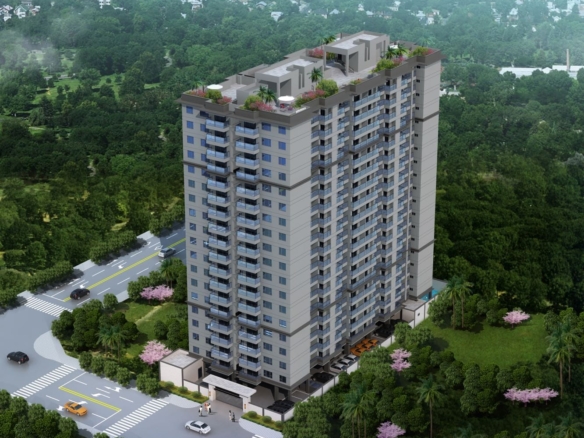
It would be misleading to write a Nairobi neighbourhood guide without addressing oversupply directly. Certain segments — particularly 1-bedroom and studio apartments in Kilimani, and standard 2-bedroom units in parts of Westlands — are genuinely oversupplied. New developments have outpaced absorption in the upper-mid range, leading to rental concessions, longer void periods, and asking price compression on resales.
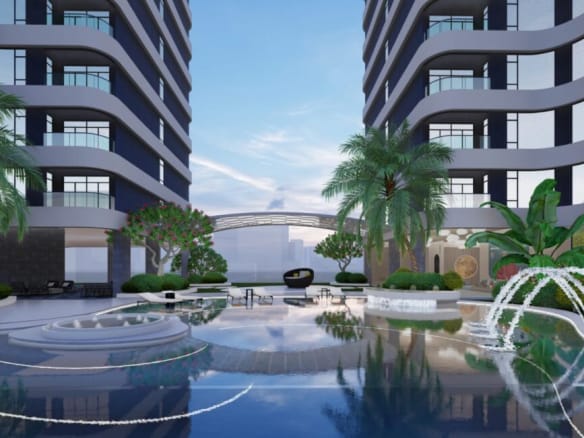
This does not mean these areas are bad investments. It means you need to buy the right product in the right building. Developments with strong management, reliable water and power backup, controlled service charges, and genuine amenities (gym, pool, co-working, secure parking) hold occupancy and value better than commodity blocks where the only differentiator is price.
The oversupply problem is most acute for bulk investors who bought off-plan in 2018–2021 at prices that made sense under projections of continued rent escalation. That escalation did not materialise. Buyers entering the market now, however, can acquire at prices that already reflect this correction — which means the risk profile has improved considerably for patient capital.
Neighbourhood Guides: Full Cluster Index
Each of the following links takes you to a dedicated neighbourhood guide with in-depth pricing data, lifestyle analysis, investment assessment, and specific property recommendations.
Cluster 1: Kilimani
- Complete Guide to Living in Kilimani Nairobi
- Pros and Cons of Living in Kilimani
- Average Property Prices in Kilimani
- Best Apartment Complexes in Kilimani
- Schools Near Kilimani for Families
- Shopping Centres and Amenities in Kilimani
- Is Kilimani a Good Place for Property Investment?
- Safety and Security in Kilimani
- Transport and Accessibility in Kilimani
- Lifestyle and Entertainment in Kilimani
Cluster 2: Westlands
- Complete Guide to Living in Westlands Nairobi
- Property Prices in Westlands Explained
- Best Residential Areas Within Westlands
- Westlands vs Kilimani: Which Is Better to Live In?
- Luxury Living in Westlands
- Schools and International Schools in Westlands
- Business and Commercial Opportunities in Westlands
- Safety and Security in Westlands
- Nightlife and Entertainment in Westlands
- Is Westlands a Good Real Estate Investment Area?
Cluster 3: Lavington
- Complete Guide to Living in Lavington Nairobi
- Property Prices in Lavington Explained
- Why Lavington Is Popular for Luxury Homes
- Best Gated Communities in Lavington
- Schools Near Lavington for Families
- Apartments vs Villas in Lavington
- Safety and Security in Lavington
- Lifestyle and Amenities in Lavington
- Lavington vs Kileleshwa Comparison
- Investment Potential of Lavington Real Estate
Cluster 4: Kileleshwa
- Complete Guide to Living in Kileleshwa Nairobi
- Average Apartment Prices in Kileleshwa
- Why Kileleshwa Is Popular for Apartments
- Best Apartment Developments in Kileleshwa
- Schools and Hospitals Near Kileleshwa
- Safety and Security in Kileleshwa
- Kileleshwa vs Kilimani: Which Area Is Better?
- Lifestyle and Amenities in Kileleshwa
- Transport and Road Access in Kileleshwa
- Is Kileleshwa a Good Property Investment Area?
Cluster 5: Runda
- Complete Guide to Living in Runda Nairobi
- Why Runda Is One of Nairobi’s Most Exclusive Areas
- Property Prices in Runda Explained
- Luxury Villas and Mansions in Runda
- Gated Communities in Runda
- Schools Near Runda
- Security and Safety in Runda
- Lifestyle and Amenities in Runda
- Runda vs Karen Comparison
- Investment Opportunities in Runda
Cluster 6: Karen
- Complete Guide to Living in Karen Nairobi
- Property Prices in Karen Explained
- Why Karen Is Popular for Luxury Homes
- Best Gated Communities in Karen
- Schools and International Schools in Karen
- Lifestyle and Amenities in Karen
- Security and Safety in Karen
- Karen vs Langata: Which Is Better?
- Land Buying Opportunities in Karen
- Investment Potential of Karen Real Estate
Cluster 7: Emerging Investment Areas
- Fastest Growing Neighbourhoods in Nairobi
- Affordable Areas to Buy Property in Nairobi
- Upcoming Real Estate Hotspots in Nairobi
- Best Areas for First-Time Property Buyers
- Areas With the Highest Property Appreciation in Nairobi
- New Infrastructure Driving Real Estate Growth
- Areas Popular With Young Professionals
- Areas With High Rental Demand in Nairobi
- Best Suburbs for Apartment Investment
- Areas Near Nairobi CBD With Growing Property Demand
Cluster 8: Nairobi Lifestyle and Living Guides
- Best Neighbourhoods in Nairobi for Families
- Best Areas in Nairobi for Young Professionals
- Best Neighbourhoods in Nairobi for Expats
- Quiet Residential Areas in Nairobi
- Best Luxury Neighbourhoods in Nairobi
- Affordable Neighbourhoods in Nairobi
- Best Areas in Nairobi Near International Schools
- Areas With the Best Shopping and Entertainment
- Best Green and Nature-Friendly Neighbourhoods
- Best Neighbourhoods in Nairobi With Good Road Access
How to Use This Guide
If you are buying to live, start with the lifestyle section and be honest about your commute tolerance. A 20-minute difference in daily travel time compounds into hours per week—and years over the life of a property ownership period. Then filter by budget and property type.
If you are buying to invest, start with the yield and appreciation analysis in each cluster guide. Understand whether you are buying for cash flow (Kilimani short-let, Westlands corporate rental) or capital growth (Karen land, Runda villas). The strategies are not interchangeable.
If you are renting, use the price tables in each guide to benchmark asking prices before you negotiate. Nairobi landlords in the premium segment are often open to 10–15% rent reductions for tenants offering 12-month prepayment or demonstrably strong tenancy profiles. Knowing the market rate is your most powerful tool.
Whatever your objective, the guides in this cluster are built to give you the ground-level intelligence that makes the difference between a good decision and an expensive one. Start with the neighbourhood that fits your budget and lifestyle, then work inward from there.
Ready to explore properties? Browse our full listings: homes for sale in Nairobi, buy houses in Nairobi, or see all investment properties for sale in Kenya.

Join The Discussion