

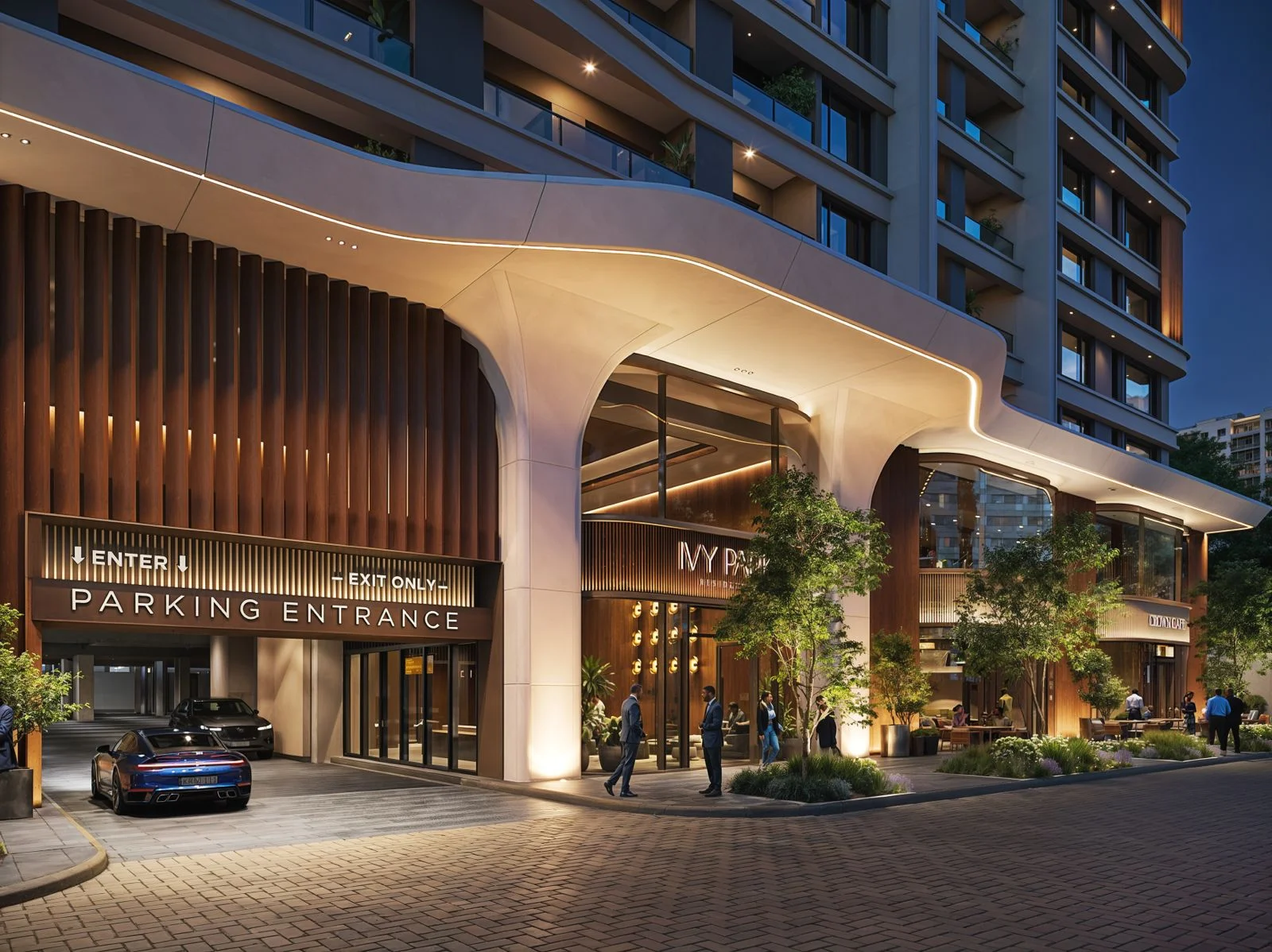
Kilimani does not advertise itself as a lifestyle destination the way Westlands does. There are no marquee nightclubs with international DJs, no kilometre-long entertainment strips, no tourist-facing cultural quarter. What Kilimani has instead is something that residents consistently describe as more sustainable and more genuinely satisfying: a dense, walkable, cosmopolitan neighbourhood where good food, interesting people, quality fitness options, and enough evening entertainment exist within a short radius of most front doors.
For the young professional who moved to Nairobi from Kampala, the NGO worker on a two-year posting from Amsterdam, the Kenyan couple who spent six years in Toronto and came back, or the senior executive who wants a central address with character rather than the manicured quiet of Karen, Kilimani’s lifestyle offering is one of the most compelling in the city. It is also one of the most misunderstood, because it rewards residents who engage with it rather than waiting to be entertained.
This guide maps the full lifestyle and entertainment landscape of Kilimani as it actually exists in 2026. It covers the food and café scene, the bar and evening entertainment options, the fitness and wellness culture, the weekend rhythm, the social scene, and the cultural and creative life that gives the neighbourhood its particular texture. It also addresses honestly what Kilimani does not offer, so that residents whose lifestyle needs do not match the neighbourhood’s character can identify that mismatch before rather than after committing.
This article is part of the Kilimani Neighbourhood Guide. For context on living costs, property prices, and neighbourhood character, start with the Complete Guide to Living in Kilimani Nairobi.
The Food Scene: Kilimani’s Strongest Lifestyle Asset
Food is where Kilimani genuinely competes with any neighbourhood in Nairobi. The concentration of quality restaurants within walking distance of most addresses in the neighbourhood is something that residents coming from Karen, Lavington, or Runda notice immediately and appreciate quickly. A 10-minute walk from a typical Kilimani apartment will pass at least four or five restaurants worth eating at, a specialty café worth sitting in, and a bakery or patisserie worth stopping for.
Breakfast and Coffee
The morning café culture in Kilimani is genuinely developed. Java House, which has multiple branches across the neighbourhood’s commercial strips, functions as the default for a reliable, familiar experience, but it is far from the only option worth knowing about.
Several independent specialty coffee operations have established themselves along Lenana Road and the side streets off Denis Pritt Road over the last four years. These are not just coffee shops that happen to serve good espresso. They are places where the sourcing of Kenyan and Ethiopian single-origin coffees is taken seriously, where the baristas understand extraction and can explain what they are doing, and where the food offering, typically avocado toast, grain bowls, and house-baked pastries, matches the quality of the coffee. For residents who care about their morning routine, Kilimani provides more credible options than any other Nairobi neighbourhood except possibly Westlands.
The working breakfast culture is strong in Kilimani partly because the neighbourhood’s high proportion of self-employed professionals, consultants, NGO workers with flexible hours, and entrepreneurs means that a significant portion of residents are available for mid-morning meetings in a café environment. This creates a social energy in Kilimani’s café spaces during the 8 AM to 11 AM window that is more alive than in purely residential neighbourhoods where everyone disappears into an office at the same time.
Lunch
The lunch scene in Kilimani is driven primarily by the overflow from Upper Hill’s office cluster and the neighbourhood’s own working-from-home population. Several restaurants along Argwings Kodhek Road and Lenana Road have built their business model around the weekday business lunch, offering quick, quality food at price points that a professional can justify on a regular basis without thinking about it.
Indian cuisine has a particularly strong lunch presence in Kilimani. Several South Indian and North Indian restaurants serving thali-style set lunches have built loyal followings among the neighbourhood’s professional population, offering filling, flavourful meals at Ksh 600 to Ksh 1,200 that represent genuine value compared to the hotel lunch alternatives in Upper Hill. The quality range is wide, from very casual to properly run full-service restaurant environments, and residents develop strong opinions about which specific establishments consistently deliver.
Lebanese and Middle Eastern cuisine is similarly well represented at the lunch hour. The Kilimani resident profile includes a significant proportion of people with experience of Beirut, Dubai, or Amman, and the demand for credible shawarma, falafel, mezze, and grilled meats at lunch is real enough to support several dedicated operations. These restaurants also attract the area’s Arab and Persian business community, which adds an authenticity to the environment that the purely expat-targeted versions of this cuisine often lack.
Dinner
Dinner in Kilimani spans a wider range of price points and experiences than any other meal. At the accessible end, the neighbourhood has strong Ethiopian, Somali, and East African restaurants serving generous portions at prices that make them viable for regular rather than occasional eating. At the upper end, several fine-dining-adjacent restaurants have established themselves as genuine destination dining experiences that draw customers from across the city rather than just the neighbourhood.
The Ethiopian dining scene deserves specific mention. Kilimani and its immediate surroundings have the highest concentration of quality Ethiopian restaurants in Nairobi, driven by the neighbourhood’s large Ethiopian diaspora population, its proximity to the NGO corridor where Ethiopian food is culturally familiar to many staff, and the broader Nairobi middle-class appetite for the cuisine that has grown steadily over the last decade. A Friday evening injera meal with colleagues at one of the better Kilimani Ethiopian restaurants is a genuine Nairobi experience that has no equivalent in Karen or Runda.
Italian dining in Kilimani has reached a level of quality that surprised even long-term residents when it arrived. Several restaurants serving credible pasta, wood-fired pizza, and Italian wine selections have built consistent reputations. The Italian expatriate population in Kilimani is large enough to provide a quality-demanding customer base, and the restaurants that serve this community have been forced to maintain standards rather than coasting on the premium that Western cuisine can sometimes command in African markets regardless of quality.
Japanese cuisine, specifically sushi and ramen, has a meaningful presence in Kilimani. At least two dedicated Japanese restaurants with serious chefs and credible sourcing of key ingredients have made the neighbourhood a destination for the city’s Japanese food community, which extends well beyond the Japanese resident population to include Kenyan food enthusiasts who encountered the cuisine during periods abroad and return to it regularly.
The Street Food and Quick Eat Layer
Kilimani’s food scene is not exclusively formal restaurant dining. The neighbourhood has a healthy informal food economy that provides fast, affordable, culturally rich eating options for residents who want something other than a sit-down meal.
The roasted maize and boiled groundnut vendors along Ngong Road and on Lenana Road provide exactly the kind of instant, inexpensive snack that makes urban walking genuinely pleasurable. The Somali tea houses around the Kilimani market area serve strong, sweet shaah with mandazi at prices that have not changed in years and represent some of the best value eating in the neighbourhood. The nyama choma establishments in the commercial fringe areas offer properly grilled meat with kachumbari and ugali at prices that have nothing in common with the restaurant margins being charged a few streets away for the same cultural experience dressed up in different surroundings.
Residents who engage with this layer of Kilimani’s food culture, rather than limiting themselves to the formal restaurant circuit, discover a more interesting and more genuinely Nairobian version of the neighbourhood’s eating life. It also provides a useful calibration of how much of what the formal restaurants charge is food cost and how much is environment.
Bars, Evening Entertainment, and Nightlife
Kilimani’s evening entertainment scene sits in a deliberate middle position between the domestic quiet of Karen and the concentrated nightlife intensity of Westlands. This is not a compromise born of limitation. It reflects the neighbourhood’s resident profile and the lifestyle those residents have chosen. Most of Kilimani’s evening energy is in the early-to-mid evening window rather than late night, and the venues that thrive are those that serve food alongside drinks rather than pure bar or club operations.
Rooftop Bars and Lounges
Kilimani has developed a rooftop bar culture that takes advantage of the neighbourhood’s mid-rise building stock and the genuinely good views available from higher floors once you clear the surrounding canopy. Several rooftop lounge operations have opened along Lenana Road and Denis Pritt Road, offering cocktails, wine, and small plates in an outdoor setting that is pleasant during Nairobi’s long dry seasons and workable even in the short rains with adequate cover.
These venues attract a recognisable Kilimani crowd: professionals in their late twenties and thirties, mixed-nationality groups, couples on mid-week dates, small groups marking a birthday or a Friday. The atmosphere is social and relaxed without being rowdy. Dress codes are smart-casual rather than formal, which matches the neighbourhood’s character accurately. Most rooftop operations close between midnight and 1 AM on weekdays and push to 2 AM or 3 AM on Friday and Saturday, which suits a resident population that has work or exercise commitments the following morning.
Wine Bars and Cocktail Establishments
A small but serious wine bar scene has emerged in Kilimani over the last four years, driven partly by the neighbourhood’s concentration of internationally-travelled professionals who returned from Europe or North America with developed wine habits and found the previous Nairobi options limited. Several dedicated wine bars now operate in the neighbourhood, offering curated lists that extend beyond the standard South African defaults that dominate most Nairobi restaurant wine programmes.
The cocktail bar culture in Kilimani is more developed than the neighbourhood’s modest nightlife reputation suggests. Several bars with genuine craft cocktail programmes, where bartenders understand technique and the sourcing of spirits matters, have built loyal followings among Kilimani’s professional population. These are not hotel lobby bars serving standardised long drinks. They are purpose-built cocktail operations with menus that change seasonally and bartenders who know their regulars’ preferences.
Sports Bars
Premier League football, Champions League nights, and major international sports events generate consistent demand in Kilimani for sports bar environments with reliable screens, decent food, and cold beer. Several establishments along Argwings Kodhek Road and the Ngong Road commercial strip have built their business models around exactly this demand, and they fill reliably on significant match nights.
The Kenyan sports bar culture has a specific character worth understanding if you are new to it. The atmosphere on a match night involving Manchester United, Arsenal, or Liverpool is genuinely electric in the better Kilimani sports bars, driven by the intensity of Kenyan football fandom which is among the most knowledgeable and passionate in Africa for the English Premier League specifically. For a resident who enjoys watching football in a communal setting, Kilimani’s sports bar circuit provides that experience at a level of atmosphere and authenticity that hotel sports bars cannot match.
What Kilimani Does Not Have
Late-night club culture is not Kilimani’s offering. The neighbourhood does not have the density of nightclubs, the 4 AM closing times, or the specifically party-focused entertainment infrastructure that Westlands provides. Residents who want that experience travel to Westlands, which is 20 to 30 minutes away, or to the club operations in Hurlingham and on Langata Road that serve a similar function for different demographic segments.
This absence is a genuine lifestyle limitation for some potential residents and a genuine lifestyle advantage for others. The choice of Kilimani over Westlands for a young professional who values nightlife means accepting that the party will require a journey. The choice for someone who finds dense nightlife disruptive is that Kilimani provides evening entertainment without the noise, safety concerns, and general chaos that accompanies Westlands on a Friday night.
Fitness and Wellness Culture
Kilimani’s fitness culture is one of the neighbourhood’s most distinctive lifestyle features and one of the strongest in any Nairobi residential area. The concentration of gyms, studios, wellness practitioners, and outdoor fitness enthusiasts within the neighbourhood reflects both the demographic profile of its residents and the commercial viability of fitness businesses in a high-income, health-conscious catchment.
The Gym Scene
The boutique gym culture in Kilimani is genuinely sophisticated. CrossFit affiliates, functional fitness studios, strength-focused lifting gyms, and high-intensity interval training operations have established themselves in commercial units across the neighbourhood. The quality of coaching in the better boutique operations compares favourably with what residents who have trained in London, New York, or Johannesburg would recognise as a serious training environment.
The larger commercial gym chains provide a different offering: more equipment variety, swimming pools in some cases, group class variety, and price points accessible to a broader income range than the boutique studios. For residents who want a comprehensive facility with multiple equipment options rather than a specialist programming focus, these chains deliver adequate value at their Kilimani locations.
The most interesting development in Kilimani’s fitness scene over the last three years has been the emergence of outdoor group training communities. Several running clubs, outdoor bootcamp operations, and cycling groups have established regular Kilimani-based training sessions, using the Nairobi Arboretum, the internal streets of the neighbourhood, and the early morning window before traffic builds as their training environment. These communities are free or low-cost to join, provide social connection alongside physical training, and have become an important part of how Kilimani’s professional population builds neighbourhood relationships.
Yoga, Pilates and Recovery
Yoga and Pilates provision in Kilimani has expanded significantly and now includes options across a wide range of formats, price points, and studio philosophies. Hot yoga, restorative yoga, vinyasa flow, reformer Pilates, and mat Pilates are all available within the neighbourhood from dedicated studios rather than as add-on classes at a general gym. The instructors at the better studios bring international training credentials and teaching experience that reflects the expectations of a resident population that includes practitioners who have trained seriously at studios in London, Cape Town, and Dubai.
Recovery and wellness services have followed the fitness culture expansion. Sports massage, physiotherapy, acupuncture, and nutritional counselling practices are available within the neighbourhood, allowing residents to build a complete wellness infrastructure locally without requiring journeys to specialist facilities in other parts of the city.
The Arboretum as Lifestyle Infrastructure
The Nairobi Arboretum deserves its own section in any lifestyle guide for Kilimani. The 30-acre forested park on State House Road is not simply a green space to look at from a distance. It is actively used by Kilimani residents as jogging and walking terrain, a weekend picnic destination, a photography location, a meditation space, and a children’s outdoor play environment that feels genuinely different from the commercial play areas inside shopping centres.
On a Sunday morning between 7 AM and 10 AM, the Arboretum carries a cross-section of Kilimani life that captures the neighbourhood’s character better than any restaurant or bar. Runners of various speeds and backgrounds doing their long run. Dog walkers from the apartment blocks nearby. Young families with children who need outdoor space that the apartment building does not provide. Birders with binoculars noting the species count. Couples from the NGO community who have discovered the space and made it part of their weekly rhythm. It is one of Nairobi’s genuinely good things and Kilimani’s proximity to it is a lifestyle asset that no amount of restaurant density or boutique gym provision can fully substitute.
Weekend Life in Kilimani
The weekend rhythm of Kilimani is distinct from its weekday character and worth understanding for anyone evaluating the neighbourhood as a place to actually live rather than just a commuter address.
Saturday mornings in Kilimani feel genuinely alive. The coffee shops fill by 8 AM with people who have already been for a run or a gym session and are settling in for a working breakfast or a catch-up with a friend. The supermarkets at Adams Arcade and Junction Mall are busy from 9 AM onwards with the weekly grocery run crowd. The Arboretum has its peak attendance of the week. The yoga studios run their most attended classes of the week between 8 AM and 10 AM.
By Saturday afternoon the energy shifts toward leisure eating and socialising. The better restaurants in the neighbourhood fill for late lunches that extend into early dinners. The rooftop bars and wine bars begin their evening services earlier than on weekdays, and the social density of a Kilimani Saturday evening in the mid-range restaurant and bar circuit is palpable in a way that reflects the neighbourhood’s genuine community character rather than just passing foot traffic.
Sunday in Kilimani tends quieter. The churches in and around the neighbourhood draw their congregations in the morning, which adds a particular family-oriented energy to the streets between 9 AM and 12 PM. The Arboretum is busy again. Several restaurants do a roast or a brunch service that has become a fixed social ritual for segments of the resident population. By Sunday evening, the neighbourhood settles into the preparatory quiet that precedes another working week.
The Social Scene: Who You Will Meet in Kilimani
The social landscape of Kilimani is shaped by its resident profile in ways that make it distinctive among Nairobi neighbourhoods. The concentration of internationally-experienced professionals, the high proportion of people who have lived outside Kenya and returned, the diplomatic and NGO community, and the creative and entrepreneurial class creates a social environment that is more diverse in background and more cosmopolitan in outlook than most other parts of the city.
Professional networking happens organically in Kilimani in a way that is harder to replicate in less dense neighbourhoods. The same faces appear at the specialty coffee shop on Tuesday morning, at the rooftop bar on Thursday evening, at the Arboretum on Sunday morning, and at the wine bar for a friend’s birthday the following weekend. This repeated proximity across different contexts builds the kind of casual professional and social networks that are genuinely valuable in Nairobi’s relationship-driven business culture.
The expatriate social scene in Kilimani is active but not closed. Unlike some Nairobi expat communities that exist in a parallel social world largely disconnected from Kenyan professional life, the Kilimani expatriate population tends toward social integration with the neighbourhood’s Kenyan professional majority. The shared spaces, the common cafés and restaurants, and the mixed-nationality environments of many Kilimani workplaces and apartment buildings create more natural interaction between Kenyan and expatriate residents than in some other parts of the city.
For new arrivals to Nairobi, whether Kenyan or international, Kilimani provides a social on-ramp that less dense neighbourhoods cannot. The neighbourhood’s walkable character, its café culture, and the informal social infrastructure of its fitness communities and evening venues mean that building a social life from scratch in Kilimani is meaningfully easier than doing so in Karen or Runda, where the larger distances and more private residential character require more deliberate social effort to bridge.
Arts, Culture and Creative Life
Kilimani is not Nairobi’s primary arts district. The Nairobi National Museum and the Kenya National Theatre are nearby but not within the neighbourhood itself. The gallery culture that has developed in Westlands and in Karen’s Village Market area is not replicated at equivalent density in Kilimani.
What Kilimani does have is a creative undercurrent that reflects its resident demographic. Several independent galleries and creative spaces have opened in repurposed commercial units along the neighbourhood’s quieter streets, showing work by Kenyan and East African artists to an audience that is both locally-rooted and internationally-connected enough to engage seriously with contemporary African art. These spaces are not heavily advertised and are not designed for tourist consumption. They are genuine working galleries serving a knowledgeable local audience.
The music scene in Kilimani is present but not dominant. Several live music venues operate in or near the neighbourhood, hosting jazz nights, acoustic sessions, and occasional larger performances that draw from the neighbourhood’s musically literate professional population. The concentration of musicians, producers, and music-adjacent creative professionals who have chosen Kilimani as a residential address has created informal networks that surface as pop-up performances, recording collaborations, and the kind of unplanned creative encounters that dense urban living makes possible.
Book clubs, film clubs, supper clubs, and other self-organised social-intellectual gatherings have found natural homes in Kilimani’s café and private dining spaces. The neighbourhood’s concentration of reading, thinking, travelling professionals creates consistent demand for these kinds of structured social-intellectual events, and the calendar of informal community gatherings in Kilimani is more active than in any other Nairobi residential neighbourhood.
Kilimani’s Lifestyle Versus Its Nearest Neighbours
The lifestyle comparison that most potential Kilimani residents are making is either against Westlands or against Kileleshwa, and the distinctions are genuine enough to be worth understanding clearly.
Westlands offers more nightlife intensity, more commercial entertainment options, and a more specifically cosmopolitan social scene concentrated around its entertainment strips. It is louder, more anonymous in character, and more oriented toward destination entertainment rather than neighbourhood life. Residents who want the widest possible range of evening entertainment options and are less concerned about residential quiet will find Westlands better suited to that priority. Those who want a neighbourhood they feel genuinely part of will find Kilimani more rewarding. The full comparison is at Westlands vs Kilimani.
Kileleshwa is quieter, more residential, and has less immediate access to the food, café, and fitness infrastructure that Kilimani provides. Residents in Kileleshwa access much of Kilimani’s lifestyle offering by travelling the short distance into the neighbourhood, which works but is not the same as having it on your doorstep. For residents who want the Kilimani lifestyle within the Kilimani neighbourhood, there is no real substitute for actually being in Kilimani. See Kileleshwa vs Kilimani for a full comparison.
For families comparing the lifestyle offering against outer suburbs, read the Best Neighbourhoods in Nairobi for Families and the Best Luxury Neighbourhoods in Nairobi for a broader perspective on what different parts of the city offer as daily living environments.
When you are ready to find a property in Kilimani, browse apartments for sale in Kilimani and executive apartments for sale in Nairobi. Return to the Kilimani Neighbourhood Guide for the full article cluster covering everything from property prices to investment analysis to school guides for families making Kilimani their home.

Join The Discussion