


Westlands occupies a category of its own in Nairobi’s residential landscape. It is the city’s most commercially integrated neighbourhood, the most cosmopolitan in character, and the one that generates the most divided opinions among people who have lived there. Some residents describe it as the only part of Nairobi that genuinely feels like a world city. Others leave after two years and swear they will never go back. Both responses are entirely rational given what Westlands actually is.
Understanding Westlands means understanding that it is not a single place. The apartment towers along Rhapta Road and the leafy residential streets of Loresho are both called Westlands but they share little beyond a postcode. The rooftop bars and nightclubs of Woodvale Grove and the quiet embassy compounds of Gigiri’s fringes are within a few kilometres of each other and they inhabit entirely different worlds. Westlands contains multitudes, and the decision to live there, buy there, or invest there requires knowing which version of Westlands you are actually engaging with.
This guide provides that clarity. It covers the full character of Westlands as a residential destination, the property market for buyers and renters, the lifestyle and infrastructure that drives its appeal, the traffic and commute reality, the investment case, and the specific sub-areas within the broader Westlands zone that carry different characters and different risk profiles. It is written for people making a real decision, not people who want to be reassured.
This article is the pillar guide for the Westlands cluster within the broader Nairobi Neighbourhood Guide. Each section links to a dedicated deeper-dive article within the Westlands cluster.
Where Westlands Sits in Nairobi’s Geography
Westlands sits approximately four kilometres north-west of the Nairobi CBD, bounded to the south by Waiyaki Way, to the east by Parklands Road and the Museum Hill interchange, to the north by the Karura Forest boundary and the Limuru Road corridor, and to the west by the Loresho ridge and the approach to Runda. The Westlands roundabout at the junction of Waiyaki Way and Chiromo Road is the neighbourhood’s commercial nerve centre and the point from which most people’s mental map of the area radiates.
Several distinct sub-areas fall within what most Nairobians call Westlands. Rhapta Road and its surrounding streets form the densest residential apartment zone. Woodvale Grove is the entertainment and hospitality corridor. Mpaka Road connects the residential and commercial zones with a mix of office blocks, apartment developments, and service businesses. Spring Valley, Loresho, and Lower Kabete Road offer the leafier, lower-density residential character that contrasts sharply with the Rhapta Road corridor. Parklands, while technically its own area, is frequently grouped with Westlands for residential and investment purposes given the overlap in amenity access and property values.
This geographical complexity is not just administrative. It is the key to understanding why property values, lifestyle experience, and investment performance vary so substantially within what is nominally the same neighbourhood.
Who Lives in Westlands
Westlands has the most genuinely international resident profile of any Nairobi neighbourhood. This is not marketing language. It reflects a structural reality: the neighbourhood sits adjacent to several of the city’s major international institutions, serves as a commercial hub for businesses with regional and global operations, and has a physical character and amenity offering that appeals to internationally-mobile professionals in a way that more typically Kenyan residential neighbourhoods do not.
The diplomatic and international organisation community forms a significant resident segment. Staff from the United Nations Environment Programme and UN-Habitat in nearby Gigiri, bilateral embassy staff from the diplomatic zone around United Nations Avenue, and representatives of the international NGO sector that has made Nairobi its East African base all cluster in and around Westlands. These residents drive demand for the 3 and 4-bedroom furnished apartment and villa market in particular, with their employing organisations frequently paying rental allowances that make the upper end of the Westlands rental market viable.
South Asian business families with multigenerational Nairobi roots have a strong historical presence in Westlands, particularly in the Parklands fringe area. This community has shaped the neighbourhood’s retail and restaurant landscape, contributing a density of quality Indian cuisine options, specialist grocery provision, and cultural infrastructure that is deeper and more authentic than the expat-facing Indian restaurant circuit found in most other Nairobi neighbourhoods.
Kenyan professionals in their thirties and forties, particularly those working in the technology, finance, media, and creative sectors that are concentrated in Westlands’ substantial commercial office park, form the third major resident group. These are typically higher-income households who have chosen Westlands for the combination of short commutes to their offices, access to the nightlife and restaurant scene, and the cosmopolitan social environment that matches their international professional experience.
Young professionals in their mid-to-late twenties, both Kenyan and international, fill the one-bedroom and studio apartment market in the Rhapta Road and Mpaka Road corridors. They are typically single or in early-stage relationships, prioritise nightlife access and social environment over domestic space, and are building careers in the commercial and creative sectors clustered in the neighbourhood’s office blocks and coworking spaces.
Property Prices in Westlands: What the Market Looks Like in 2026
Westlands commands a consistent premium over most of Nairobi’s inner residential neighbourhoods, driven by its commercial infrastructure, international tenant base, and the genuine scarcity of quality residential supply relative to demand in certain segments. The premium is real and it is sustained rather than speculative, which distinguishes the Westlands market from the oversupplied segments of Kilimani that have experienced value correction.
Apartments for Sale
Studio apartments in Westlands sell in the range of Ksh 5 million to Ksh 9 million. The lower end represents older stock in the Rhapta Road corridor. The upper end represents newer developments with quality finishes and building amenities near the Woodvale Grove and Mpaka Road areas.
One-bedroom apartments range from Ksh 8 million to Ksh 16 million. Quality and location drive significant variation within this range. Units in well-managed blocks with backup systems, controlled access, and proximity to the commercial corridor command the upper end and have demonstrated more price resilience than equivalent units in Kilimani.
Two-bedroom apartments, which are the most active segment of the Westlands for-sale market, range from Ksh 12 million to Ksh 28 million. Standard mid-range blocks along Rhapta Road and Mpaka Road sit in the Ksh 14 million to Ksh 20 million range. Premium developments in better-managed blocks with strong amenity provision and superior locations can reach the upper end of this range. Browse available 2-bedroom apartments for sale in Westlands to benchmark current listings against these figures.
Three-bedroom apartments range from Ksh 20 million to Ksh 45 million. The diplomatic and corporate rental market drives demand in this segment, and the buildings that consistently attract this tenant profile command a premium that is justified by the yield and occupancy stability they deliver. See available 3-bedroom apartments for sale in Westlands for current stock.
Four-bedroom apartments and penthouses in Westlands range from Ksh 40 million to Ksh 80 million and above for the most premium configurations. See 4-bedroom apartments for sale in Westlands for available options. The buyer profile at this level is almost entirely owner-occupiers and long-term investors targeting the diplomatic rental market.
Flats in the broader Westlands area, including Parklands-adjacent units, offer a wider price range that can represent better value for buyers who understand the sub-area distinctions. See flats for sale in Westlands Nairobi for a broader view of available stock.
Houses and Villas
Standalone houses in Spring Valley, Loresho, and the leafier parts of the Westlands residential zone start from around Ksh 50 million for modest 3-bedroom homes on standard plots and escalate significantly for larger properties with mature gardens, swimming pools, and the kind of compound privacy that executive tenants and owner-occupiers at this price point require. Villas and townhouses in gated estates within the Westlands zone carry their own premium for the security and community infrastructure they provide.
Rental Prices
Unfurnished long-let rental prices in Westlands in 2026 run as follows:
- Studio apartments: Ksh 30,000 to Ksh 55,000 per month
- 1-bedroom apartments: Ksh 50,000 to Ksh 90,000 per month
- 2-bedroom apartments: Ksh 80,000 to Ksh 160,000 per month
- 3-bedroom apartments: Ksh 120,000 to Ksh 250,000 per month
- 4-bedroom houses and villas: Ksh 200,000 to Ksh 500,000 per month and above for premium diplomatic-grade properties
Furnished units targeting the corporate and diplomatic market command a 30 to 50 percent premium above these figures. The upper end of the furnished 3-bedroom segment, targeting UN and embassy families with full rental allowances, can exceed Ksh 350,000 per month for a well-specified property with pool access, backup systems, and professional management.
For a full analysis of Westlands property prices including yield calculations and what drives value variation across the neighbourhood, read the dedicated Property Prices in Westlands Explained article.
Traffic and Getting Around Westlands
Waiyaki Way is the artery that defines the Westlands transport experience, and it is simultaneously the neighbourhood’s greatest connectivity asset and its most significant daily frustration. The dual carriageway connecting Westlands to the CBD via Museum Hill and to the west toward Nairobi-Nakuru Highway carries volumes that exceed its designed capacity during peak hours, creating conditions that many Westlands residents cite as the neighbourhood’s primary quality-of-life challenge.
Morning peak on Waiyaki Way inbound runs from approximately 6:30 AM to 9:30 AM. The Museum Hill roundabout, where traffic from Limuru Road, Parklands Road, Forest Road, and Waiyaki Way all converge, is one of the worst-performing junctions in Nairobi during this window. Vehicles queuing on Waiyaki Way eastbound from Westlands roundabout can be stationary for 30 to 50 minutes covering a distance of under 3 kilometres during the worst conditions.
The evening outbound peak is more diffuse but equally problematic. Waiyaki Way westbound from Museum Hill toward Westlands and beyond backs up from around 4:00 PM and remains congested until 7:30 PM or later. The junction at Westlands roundabout, where vehicles dispersing to different residential directions create competing movements, adds to the delay for residents heading to Rhapta Road, Spring Valley, or the approaches to Runda and Muthaiga.
Westlands residents who manage the traffic most effectively tend to combine several strategies. They use the internal roads, specifically Woodvale Grove, Ring Road Westlands, and the approaches through Parklands, as alternatives to Waiyaki Way for short internal journeys. They time their commutes outside the peak window whenever their professional circumstances allow. They use boda bodas for the specific bottleneck at Museum Hill when they must be in the CBD at a fixed early hour. And they walk within the neighbourhood itself for the substantial proportion of daily movement that never needs to cross Waiyaki Way at all.
The detailed transport and commute analysis for Westlands, including specific route comparisons and timing recommendations, is covered in the Transport and Road Access in Westlands guide within the Westlands cluster. For a comparison of how Westlands traffic compares to Kilimani’s challenges, see Westlands vs Kilimani.
Lifestyle, Food, and Entertainment in Westlands
Westlands is Nairobi’s most complete lifestyle neighbourhood. That is not a claim about the best restaurants or the most sophisticated nightlife, though it has both. It is a claim about the range, the density, and the quality consistency of what is available within the neighbourhood’s boundaries. The residents of Westlands can live most of their social and consumer life without leaving the neighbourhood, which is a genuinely unusual claim in a city as sprawling and car-dependent as Nairobi.
Shopping
The Sarit Centre on Karuna Road is the neighbourhood’s primary shopping anchor and one of Nairobi’s best-established malls. It carries a Carrefour supermarket, a broad range of fashion and lifestyle retail, a food court, a cinema, a bookshop, and a pharmacy cluster that handles most household shopping requirements under one roof. The Westgate Shopping Mall on Westlands Road provides an alternative mid-market retail environment with a different tenant mix. The Village Market in Gigiri, while technically outside the Westlands boundary, is accessible in under 15 minutes and provides the most international and luxury-oriented shopping environment in the greater Westlands catchment.
For specialist and daily grocery needs, the density of independent supermarkets, specialty food shops, and organic grocers in Westlands is matched only by Kilimani among Nairobi’s residential neighbourhoods. The South Asian grocery stores in the Parklands fringe provide specialist ingredients that are difficult to source elsewhere in the city. Specialty butcheries, fishmongers, and deli operations have established themselves in the neighbourhood’s commercial strips serving the international resident population’s specific food requirements.
Restaurants and Nightlife
Westlands has the widest, deepest, and most consistently high-quality restaurant scene in Nairobi. This is not a close competition. The concentration of cuisines, the range of price points, the quality of cooking, and the diversity of dining experiences available within the neighbourhood’s boundaries is in a category of its own relative to any other Nairobi residential area.
The Indian restaurant cluster in Westlands and Parklands is one of the finest in East Africa. Restaurants serving authentic regional Indian cuisines, from Gujarati vegetarian to Punjabi meat dishes to South Indian dosas, operate at levels of culinary seriousness that reflect a community with genuine cooking heritage rather than a market simply serving tourist expectations. Japanese, Korean, Chinese, Thai, Lebanese, Turkish, Italian, French, and Ethiopian cuisines are all represented at credible quality levels. Several Westlands restaurants have achieved recognition beyond Nairobi’s market as destination dining experiences worth travelling for.
The nightlife on Woodvale Grove and the surrounding streets is genuinely intense by East African standards. Clubs with international sound systems, regular DJ residencies, and late licences operate alongside cocktail bars, sports bars, and lounges covering the full spectrum of evening entertainment. Friday and Saturday nights in Westlands generate the kind of street energy that residents either love or find exhausting depending on their life stage and temperament. The concentration of this entertainment activity on specific streets rather than dispersed across the neighbourhood means that residents who choose their address carefully can live within easy reach of the nightlife without experiencing its noise directly.
The full lifestyle and entertainment guide for Westlands is covered in the dedicated Nightlife and Entertainment in Westlands article.
Schools and International Education in Westlands
The Westlands catchment includes some of Nairobi’s most prominent international schools, making it the first choice for many expatriate families and Kenyan families seeking international curriculum education without committing to Karen’s distances.
The International School of Kenya in Lavington is reachable in under 20 minutes from most Westlands addresses in off-peak traffic. Braeburn Schools have a presence in the broader Westlands catchment. Rosslyn Academy in Gigiri, one of the most established American curriculum schools in East Africa, is accessible from Westlands via United Nations Avenue in 15 to 25 minutes depending on traffic at the Westlands interchange.
Within or immediately adjacent to Westlands itself, several well-regarded private schools following both the Kenyan CBC pathway and Cambridge International curriculum serve the resident population. The Westlands cluster is not as school-dense as Karen, but the combination of the schools within the neighbourhood and those accessible within a reasonable commute makes it a workable location for families at all education levels.
The full school guide for the Westlands area is covered in Schools and International Schools in Westlands.
Safety and Security in Westlands
Westlands has a more complex security profile than some of its reputation suggests. The commercial density and nightlife activity that make it vibrant also create the conditions for opportunistic crime in ways that quieter residential neighbourhoods do not experience. Phone theft, bag snatching, and car break-ins are the most common forms, concentrated in the entertainment districts at night and in the commercial zones during the day.
The residential areas of Westlands, particularly Spring Valley, Loresho, and the gated developments set back from the main commercial arteries, have security conditions that are good by any Nairobi standard. Properties with proper perimeter security, professional guarding, and controlled access sit within a neighbourhood where the police presence, private security industry, and resident vigilance are all at high levels relative to the city average.
The specific security considerations for Westlands, including which zones carry higher risk and what practical steps residents take to manage them, are covered in the dedicated Safety and Security in Westlands guide.
Investment Potential in Westlands
From a market perspective, Westlands offers a more compelling investment case than Kilimani in the current period for buyers with sufficient capital to enter the market at a quality level that attracts the diplomatic and corporate tenant base. The reasons are structural rather than cyclical.
The diplomatic and international organisation rental market in Westlands generates consistent demand for well-managed 3 and 4-bedroom furnished properties at rental levels that produce gross yields of 6 to 8 percent even at Westlands’ higher entry prices. This tenant base pays on time, maintains properties with care, and provides the kind of tenancy stability that long-term investors value highly. The UN and embassy community in Gigiri is not going anywhere, and the competition for genuinely good rental properties in its catchment remains meaningful even in a broader market that has experienced oversupply pressures.
The short-let market in Westlands is as active as in Kilimani and benefits from the neighbourhood’s superior international profile on booking platforms. Business travellers, conference attendees at Nairobi’s major hotels, and visiting professionals all generate demand for quality short-let accommodation in Westlands. The upper nightly rates achievable in premium Westlands properties are higher than equivalent Kilimani properties due to the neighbourhood’s stronger international brand recognition.
The commercial office market in Westlands also drives residential demand in a way that few other Nairobi neighbourhoods can replicate. The neighbourhood hosts significant office space occupied by multinationals, regional headquarters, and the professional services sector, generating a permanent population of working professionals who want to live within walking or short commuting distance of their offices. This demand base is more stable and less sensitive to broader economic cycles than the speculative investor demand that has driven some of Nairobi’s less sustainable development cycles.
For the full investment analysis of the Westlands market including yield calculations, risk assessment, and specific unit type recommendations, read Is Westlands a Good Real Estate Investment Area? For a direct comparison of investment credentials between Westlands and Kilimani, see Westlands vs Kilimani.
Luxury Living in Westlands
Westlands has a genuine luxury residential offering that is distinct from the luxury market in Karen or Runda. Where Karen and Runda offer land, space, privacy, and the particular prestige of being associated with Nairobi’s most exclusive outer suburbs, Westlands offers a different luxury proposition: urban sophistication, walkable access to the city’s best dining and entertainment, and the kind of international cosmopolitan environment that appeals to globally-oriented buyers who value the city over the suburb.
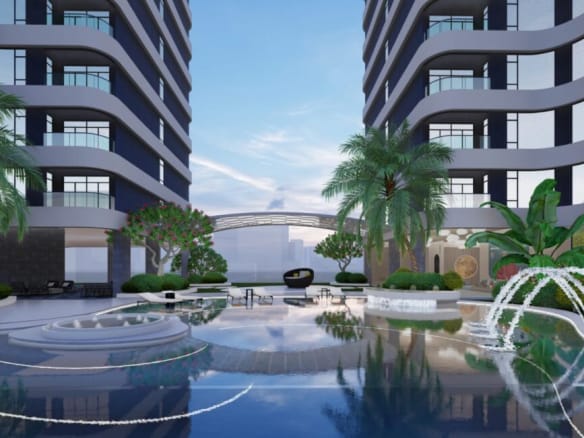
The luxury apartments in Westlands’ premium developments combine high-quality internal finishes, strong building infrastructure and management, professional concierge services in some cases, and proximity to the neighbourhood’s commercial and social infrastructure. For buyers who have lived in London, New York, Singapore, or Dubai and want a Nairobi address that reflects that frame of reference, the luxury end of the Westlands apartment market provides the closest available equivalent.
The dedicated guide to Luxury Living in Westlands covers the specific developments, the resident profile, and the amenities that define this segment of the market.
Westlands Sub-Areas: Understanding the Internal Differences
The variation within Westlands is substantial enough that a buyer or renter choosing between different parts of the neighbourhood is effectively making different lifestyle and investment decisions rather than simply different addresses.
Rhapta Road and Mpaka Road Corridor
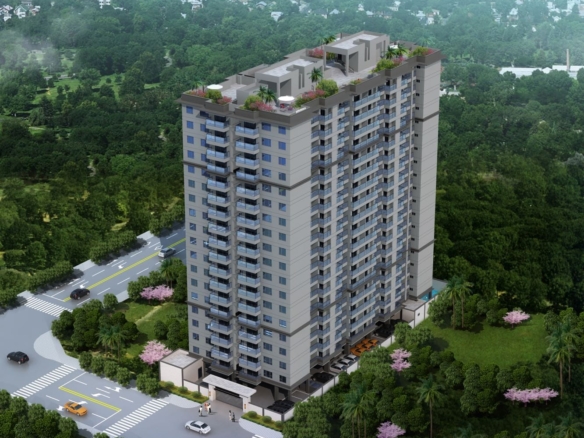
This is the densest residential apartment zone within Westlands. High-rise and mid-rise apartment blocks line both roads and their connecting streets, housing the largest portion of Westlands’ apartment-dwelling resident population. Proximity to the Westlands commercial district and the entertainment venues of Woodvale Grove gives this area the most urban character within the neighbourhood. It is the best location for young professionals who want to walk to work, walk to restaurants, and walk to the nightlife on a Friday evening. It is the most challenging location for anyone who needs quiet and a residential feel.
Spring Valley
Spring Valley, accessed via Spring Valley Road off Peponi Road, is the most sought-after purely residential sub-area within the Westlands zone. Large plots, mature trees, well-established gated communities, and a settled, high-income resident population give Spring Valley a character closer to Karen or Lavington than to the Rhapta Road corridor. Properties here are predominantly houses and townhouses rather than apartments, prices reflect the exclusivity and limited supply of the area, and the tenant profile is heavily weighted toward senior diplomats, expatriate executives, and high-net-worth owner-occupiers.
Loresho
Loresho sits above the Westlands valley on the ridge running west from Spring Valley toward the Loresho estate. It has a slightly less exclusive character than Spring Valley but offers similar low-density residential properties with garden space, good security, and a quiet residential environment. Several well-regarded gated developments in Loresho provide villa and townhouse options that attract the same diplomatic and executive tenant base as Spring Valley at marginally lower price points.
Parklands
Parklands, while technically a separate area, is functionally part of the Westlands residential market for most buyers and renters. It has a strong South Asian community character, good amenity access, and apartment and house prices that are generally below equivalent Westlands properties, making it an attractive entry point for buyers who want Westlands-level access at a slight discount. See available apartments for sale in Parklands for current stock in this sub-market.
The full guide to the best residential areas within Westlands and how they compare is covered in Best Residential Areas Within Westlands.
Business and Commercial Opportunities in Westlands
Westlands is not just a place to live. It is one of Nairobi’s primary business districts, and for entrepreneurs, consultants, and professionals whose work benefits from physical proximity to a dense commercial and professional services cluster, the neighbourhood offers genuine advantages beyond the lifestyle and residential proposition.
The concentration of professional services firms, regional headquarters, coworking spaces, and business support infrastructure in Westlands creates an environment where the relationships, information flow, and serendipitous connections that characterise productive urban business districts happen naturally. Several of Nairobi’s most successful technology startups, media companies, and professional services practices have chosen Westlands addresses specifically for this reason.
The dedicated guide to Business and Commercial Opportunities in Westlands covers this dimension of the neighbourhood for readers whose decision to locate in Westlands is as much professional as residential.
Making the Westlands Decision
Westlands is the right neighbourhood for a specific type of Nairobi resident. That resident values urban energy, cosmopolitan social environment, walkable access to excellent food and entertainment, and proximity to a major commercial district over residential quiet, garden space, and the lower density of the outer suburbs. They are comfortable with traffic that is genuinely challenging on certain routes during peak hours. They find the neighbourhood’s international character energising rather than alienating. They want a Nairobi address that feels like part of a world city rather than an African suburb.
If that description fits your priorities, Westlands will likely exceed your expectations. The neighbourhood delivers its core proposition well and consistently, and residents who chose it for the right reasons tend to stay and to recommend it with genuine enthusiasm.
If your priorities run in a different direction, toward space, quiet, family-oriented infrastructure, or the prestige and land appreciation of the outer luxury suburbs, Westlands will frustrate you in ways that its considerable strengths will not compensate for. Read the comparisons at Westlands vs Kilimani and explore the Karen Neighbourhood Guide and Lavington Neighbourhood Guide to understand what the alternatives offer before making your final decision.
Browse currently available properties in Westlands: 2-bedroom apartments for sale in Westlands, 3-bedroom apartments for sale in Westlands, 4-bedroom apartments for sale in Westlands, and flats for sale in Westlands. For a broader view of Nairobi’s residential market, return to the Nairobi Neighbourhood Guide.

Join The Discussion